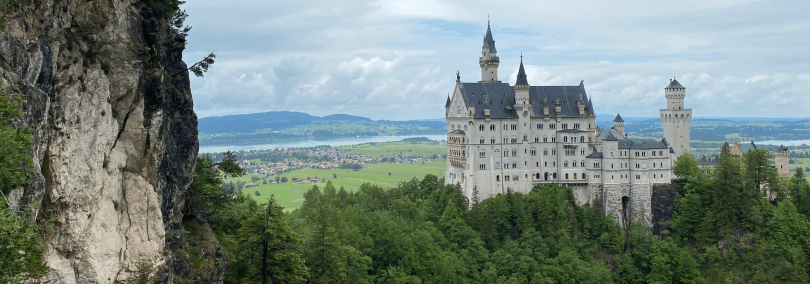
First European EV trip

Our family is scattered across three continents and frequent visiting is difficult for multiple reasons. While I make it a point to see my parents back in Europe at least once a year, the last they saw my wife and their granddaughter was 8 years ago or so. It was about time we planned a trip, but with a twist: let’s rent a car this time round! I can check some places off my ever-growing bucket list and all of us can visit places we’ve never seen before. In addition, wouldn’t it be fun to do it in an EV?

Flights and the car reserved, it was time to plan the itinerary. Since we booked Tesla Model 3 Standard Range, we had to make necessary arrangements for charging along the way. We ended up with a slightly different car at the end, but it didn’t affect our plans much.

Our trip would start and end in Frankfurt, our go-to airport when transiting in Europe. I didn’t want to drive too far on the first day, especially after a long flight and potential jet lag.

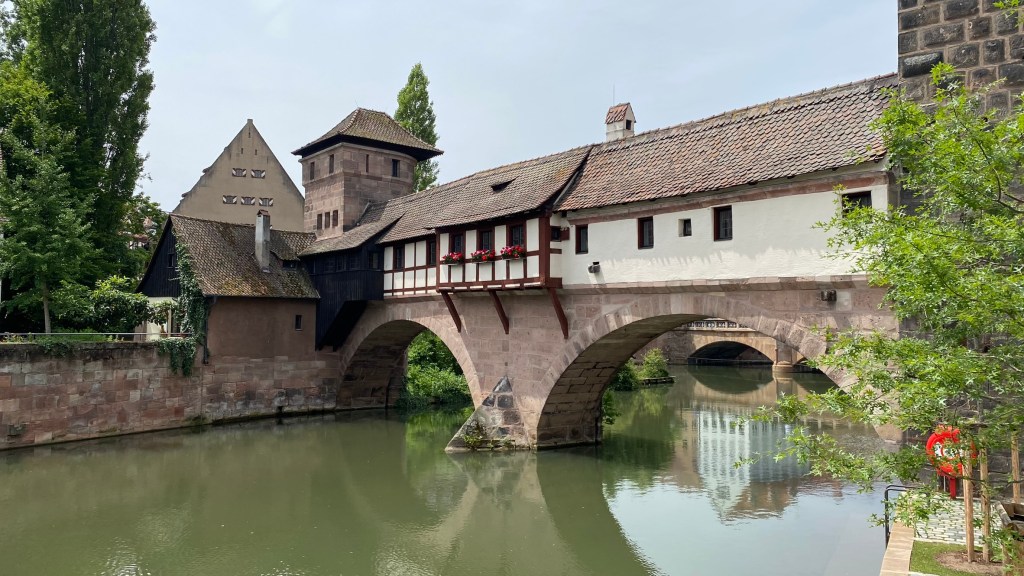
Würzburg

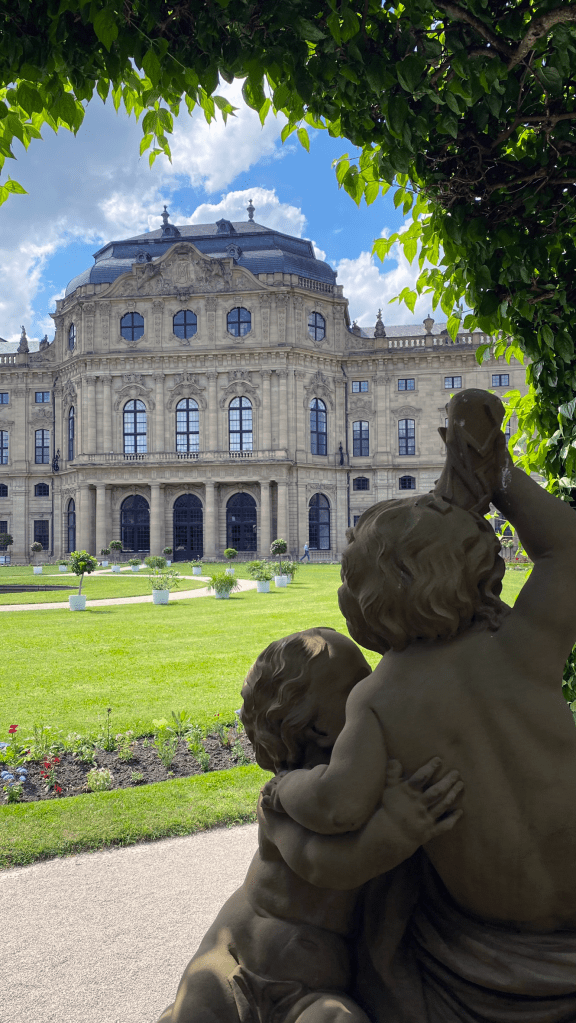
We decided to stay in Würzburg overnight. a beautiful town, famous for its Residence, Marienberg Fortress, Main Old Bridge or the Cathedral. Sadly, close to 90% of the city was destroyed during allied bombing in 1945, then painstakingly restored in the following decades to its present glory. It’s definitely a place we should visit again, as the overnight stay didn’t allow us to venture around and see all we planned to see.

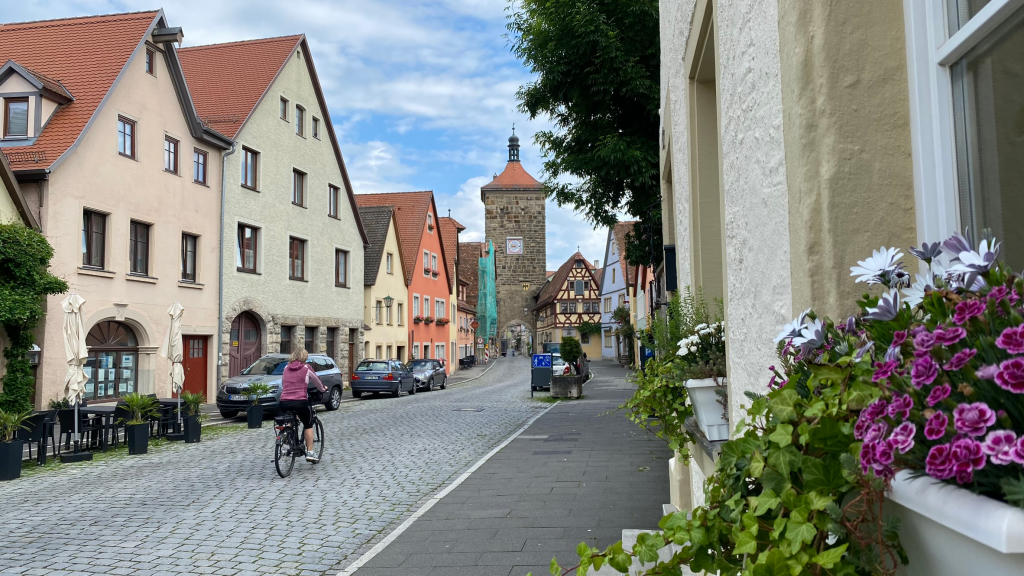
Our next major destination was Munich, but we chose a scenic route through the Romantic Road (Romantische Straße), so we could visit the famous Rothenburg.

Rothenburg ob der Tauber

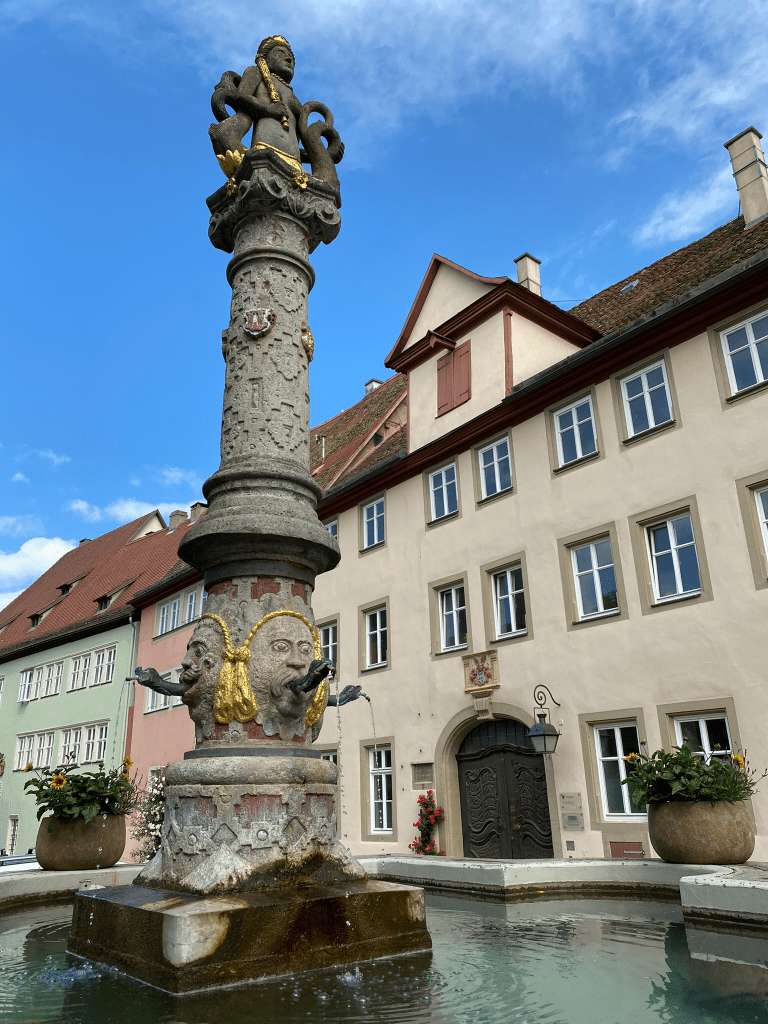
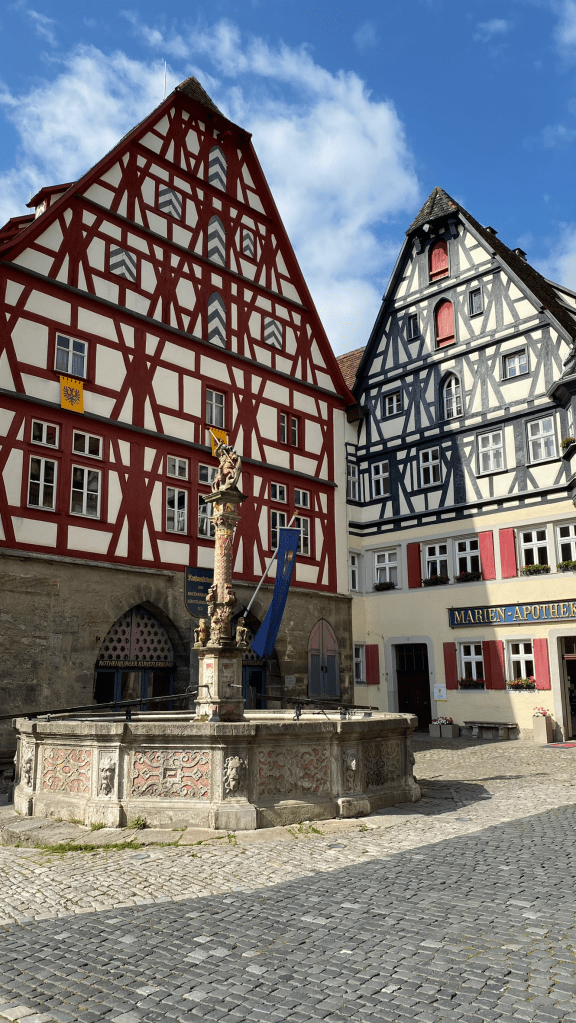
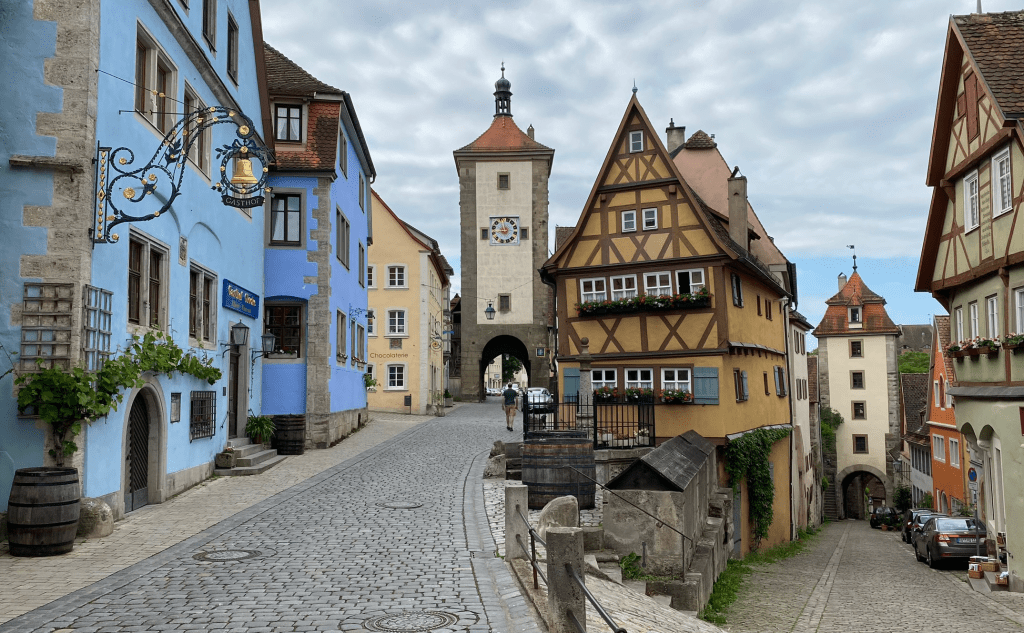
Known for its medieval architecture and half-timbered houses, it’s a quintessential German town that attracts millions of tourists every year. Kobolzeller Steige and the Spitalgasse area are some of its most photographed and recognizable landmarks, but there’s so much more to see. The great thing is that Rothenburg is a very walkable town (despite cobblestone streets) and one can cover most of the attractions within 2-3 hours. It pays to arrive earlier to beat the crowds, which we did. Plenty of parking is available, right outside of the fortified walls.

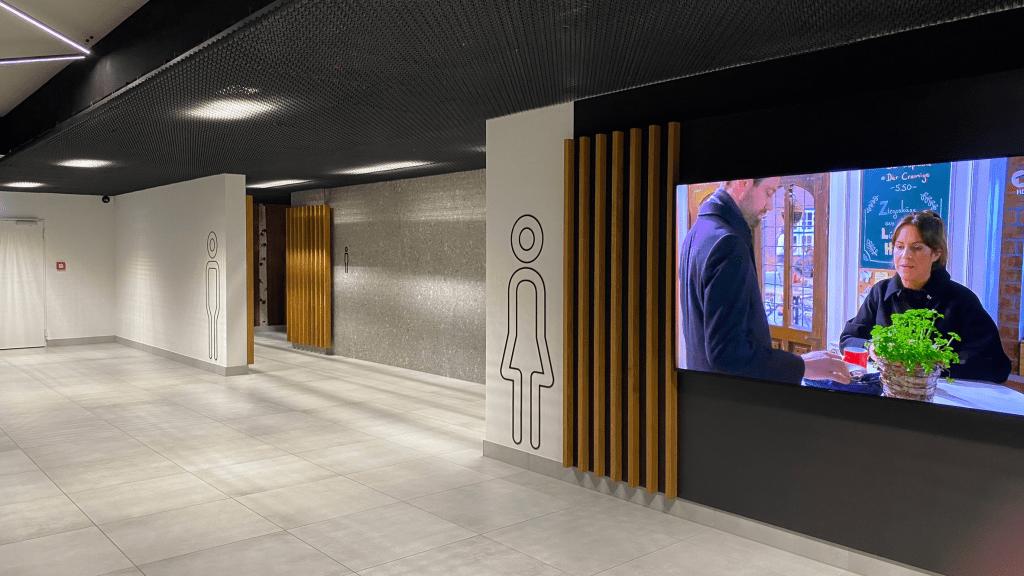
On the way to Munich, we had to make a stop to charge the car. Enter Zusmarshausen charging hub – the most impressive location for EV charging we’ve encountered so far! Catering to all kinds of EVs, from small to large, its amenities include a bar and super clean toilets.

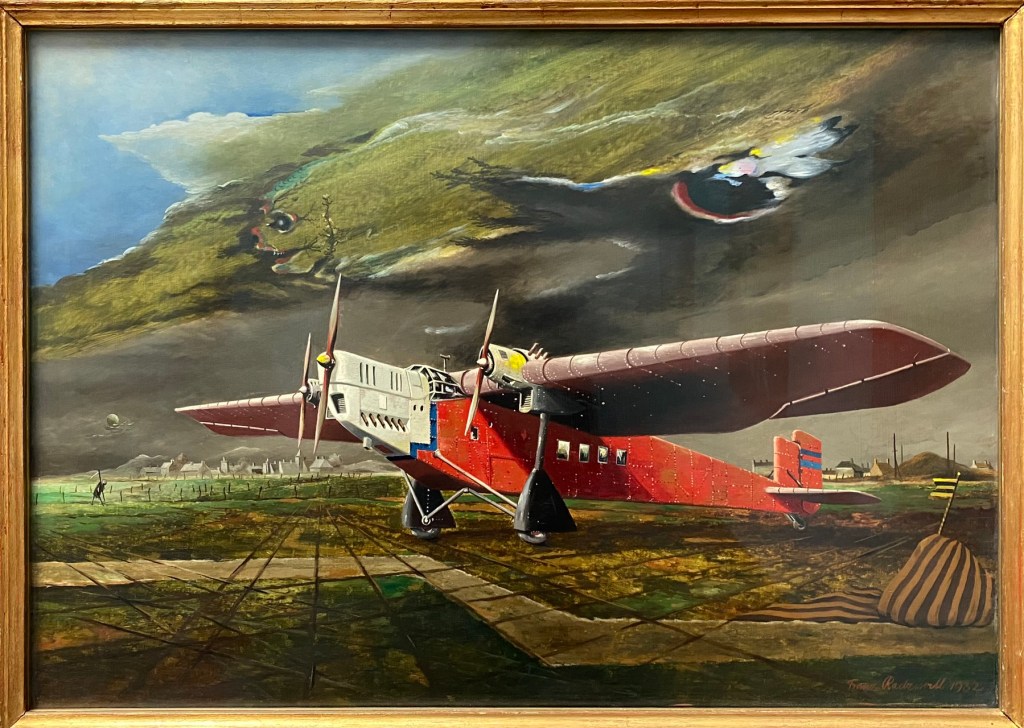
Since our hotel room would not be available until late in the afternoon, we made another pitstop in Augsburg – to visit the Wolfgang Lettl museum. Highly recommended if you’re a fan of modern or contemporary art!

Munich

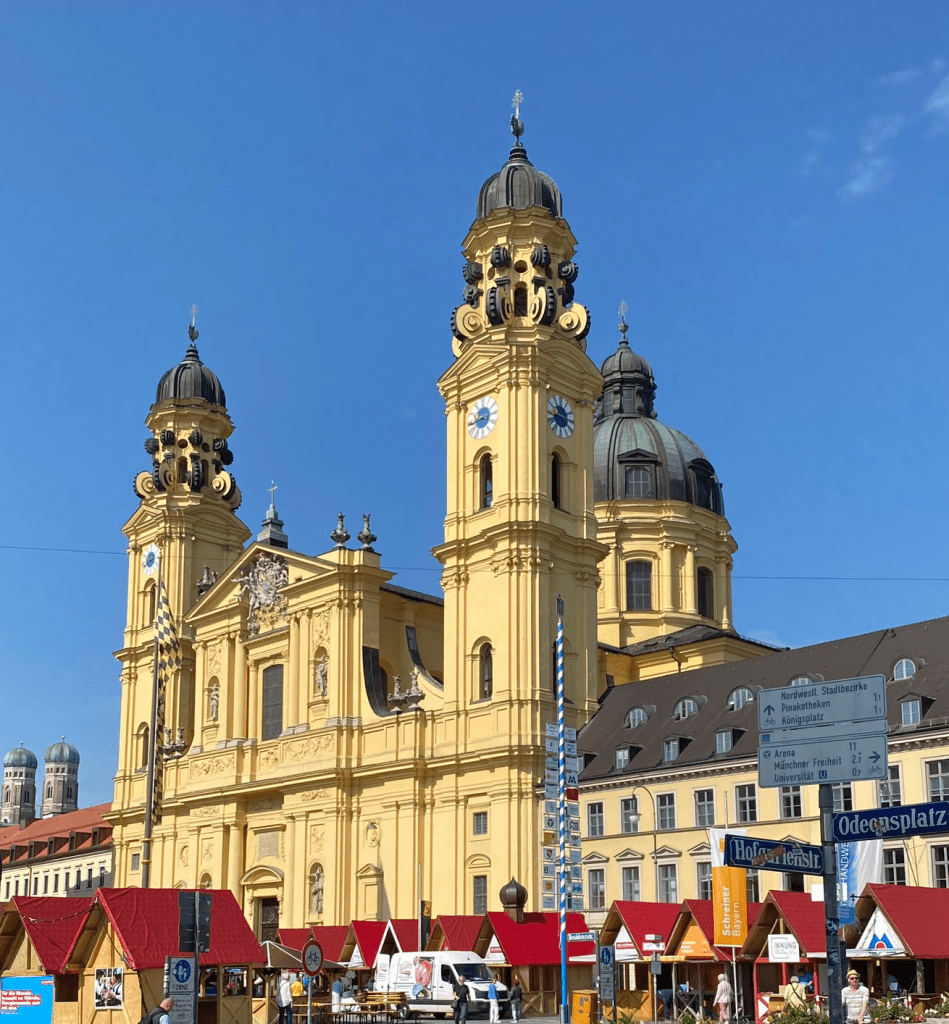
No matter how you approach it, cars plus cities in Europe equal expensive parking. Sure, there are certain accommodations and cheap(er) options when driving EVs, but they usually work if you intend to stop for a few hours only. For overnight, either you find P+R (park and ride) or pay for the hotel parking. Since we were staying for a couple of nights in Munich, the latter made more sense, as we would rely on public transport to do our sightseeing.

Why Munich? Other than being the capitol city of Bavaria, the primary reason was to visit the BMW Museum and BMW Welt – something that was on my bucket list for a very long time. Since my early teenage years, I considered BMW to be the best automotive brand in the world (and with the best looking cars, too). While their design language in recent years leaves me rather disappointed, their contribution to automotive history is undisputed. Who wouldn’t like to see the iconic BMW-Vierzylinder (BMW four-cylinder) headquarters up close?

I really wanted to book a factory tour as well, but there were no open slots during our planned trip, unfortunately. We settled for BMW Welt – Behind the Scenes to complement the Museum visit. Here’s the tip: BMW Museum – absolutely worth the price of admission. BMW Welt though… do yourself a favor and check out the free exhibits (90% of the building). In my humble opinion, the Behind the Scenes is not worth the money.
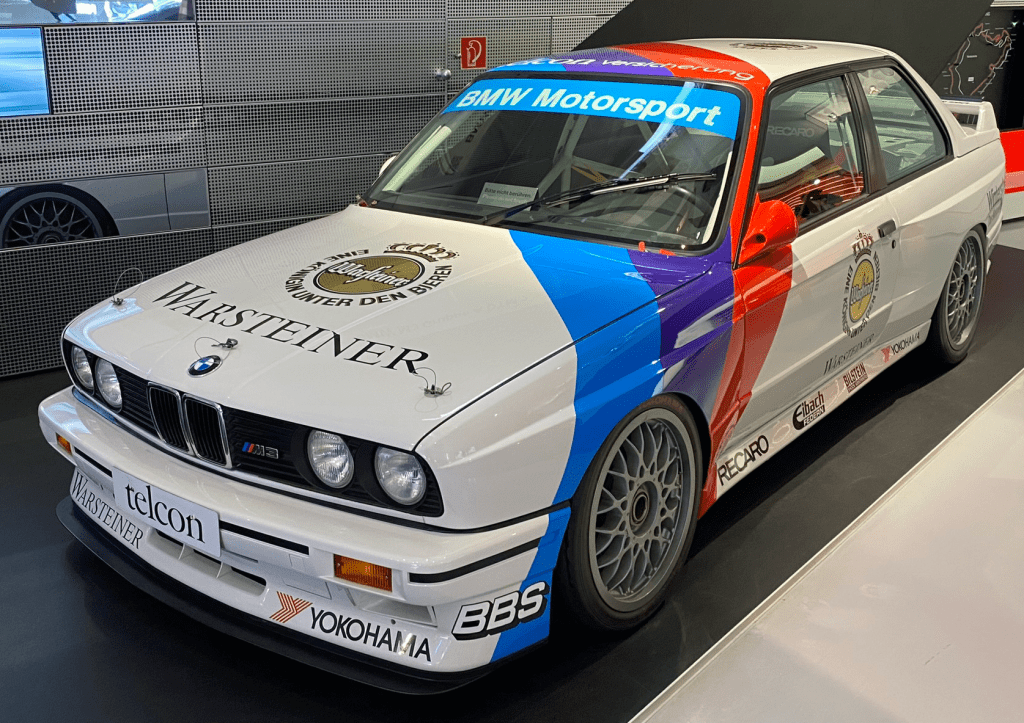
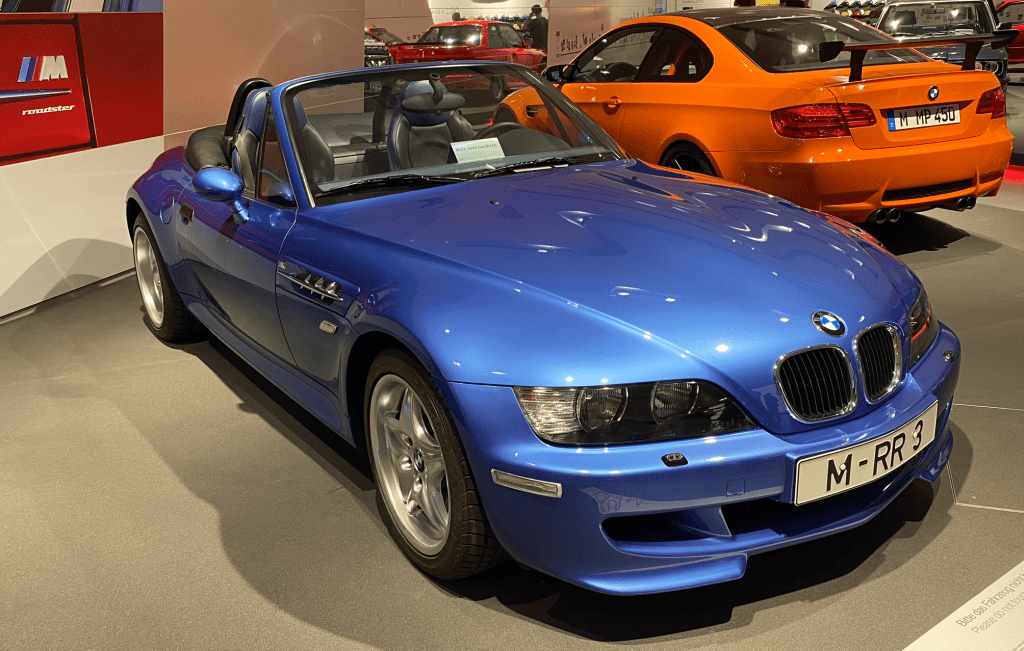
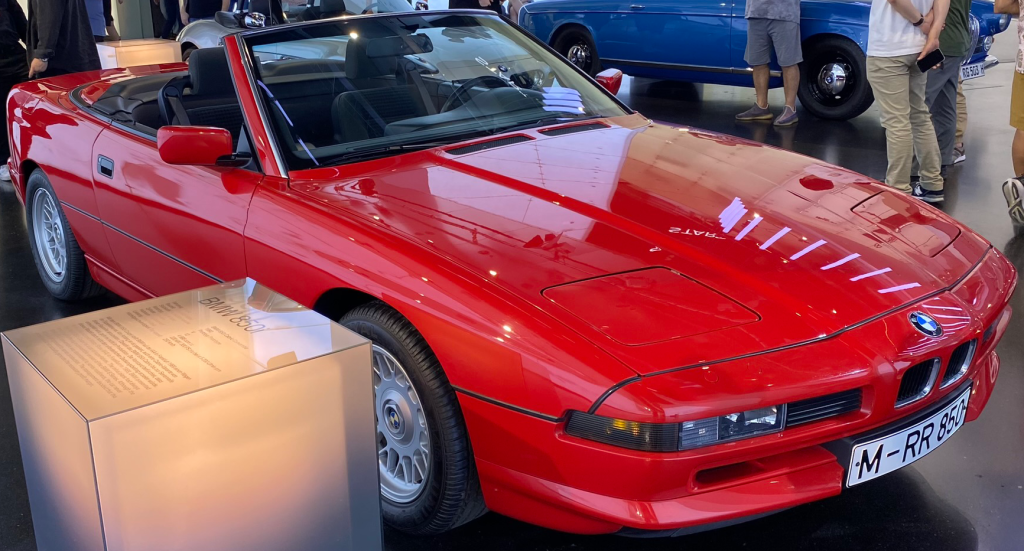
Back to the Museum, it’s truly impressive. Multiple floors of exhibits, walking you through all important milestones from the history of the Bavarian giant: from its roots in aviation, through its motorcycle division, and to the iconic car models which put the brand on the global map to its continuous innovation and future concepts, it is a must see for both diehard BMW fans and automotive enthusiasts alike.

Below are just a few of my all-time favorites.

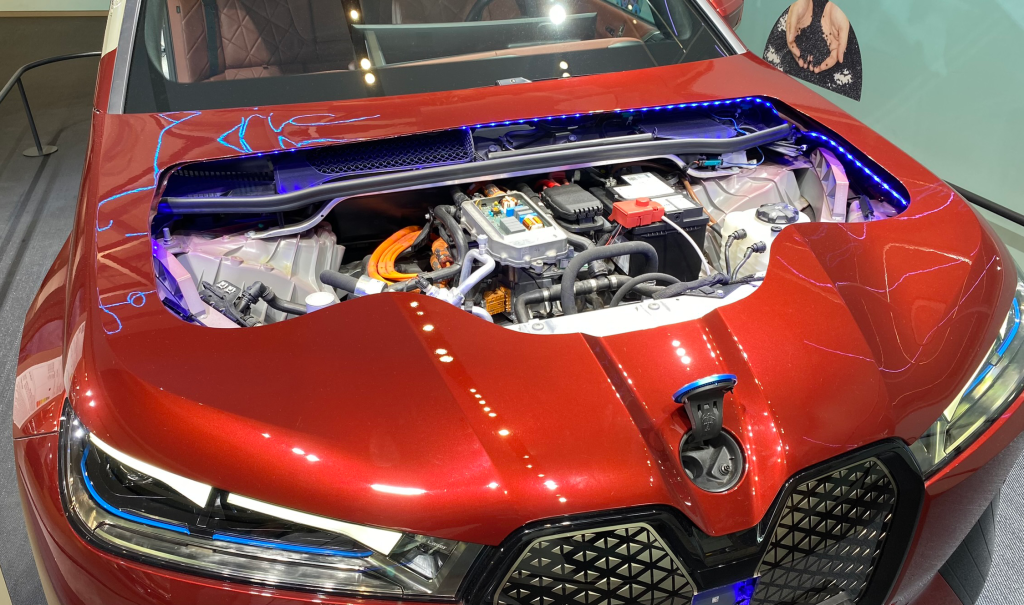
Final thought on BMW and its approach to electrification: why not learn from Tesla? While the cross iX platform display is really cool (the cross-cut reminds me of the opening of the Terminator movie), the overcomplicated layout of the components and lack of usable frunk or space under the trunk are disappointing.
The next stop on our itinerary is what really started my wheels turning when thinking about this trip. Next to BMW, it was always the ultimate bucket list item when thinking of Germany.

Neuschwanstein Castle

My first encounter with this famous landmark was probably during one of the winter breaks while in elementary school (mid 1980s). My father borrowed a jigsaw puzzle featuring the castle and I was finally allowed to put it together once he was done with it. “Out of this world” was one of the thoughts I’m sure crossed my mind when looking at the picture back then.

A passion project of Ludwig II, the young king of Bavaria, executed lavishly and with astonishing attention to the tiniest details, taking an example from the finest achievements of middle ages, while at the same time employing the latest in technology of the XIX century. The results, albeit never completely finished, are amazing. Tragically, the king only enjoyed the fruits of his vision for a few months before his death. But the legacy remains for all of us to see, be inspired and have our breaths taken away.
Some can argue that it is kitschy. It’s all subjective, sure. To me, the castle is a marvelous piece of engineering and ultimate example of craftsmanship, from masonry through sculpting and painting to woodworking. Forget about the material cost of the construction for a second. I don’t think this kind of idea could be conceived in modern times. Even less likely executed and constructed. It always take a bit of crazy to come out with something of this scale. Truly one of a kind.

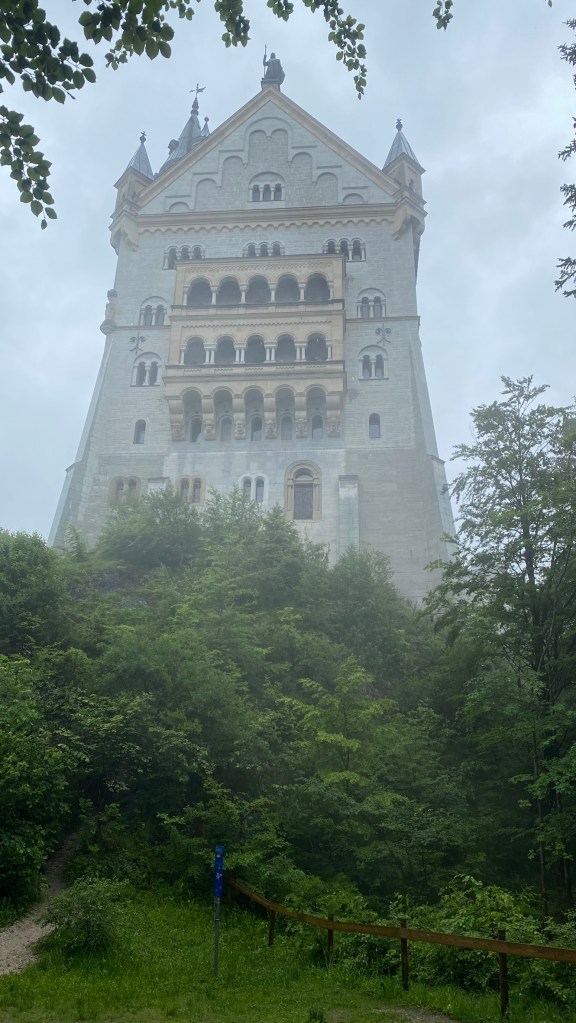
Let’s get back to our trip before I get too carried away. At first, it didn’t seem like we would have particular luck with the weather during our visit. It was raining steadily on our way to Schwangau (where the castle is located) and turned into a solid downpour while waiting for a bus to take us to the Marienbrücke lookout point. As the rain eased out a bit, the first opportunity to have a glimpse of the castle was a bit eerie. Not ideal.

Good thing we did the tour of the interior of the castle (sadly, no photos or video allowed inside), as the rain eventually subsided and we had a second chance at taking some decent shots.
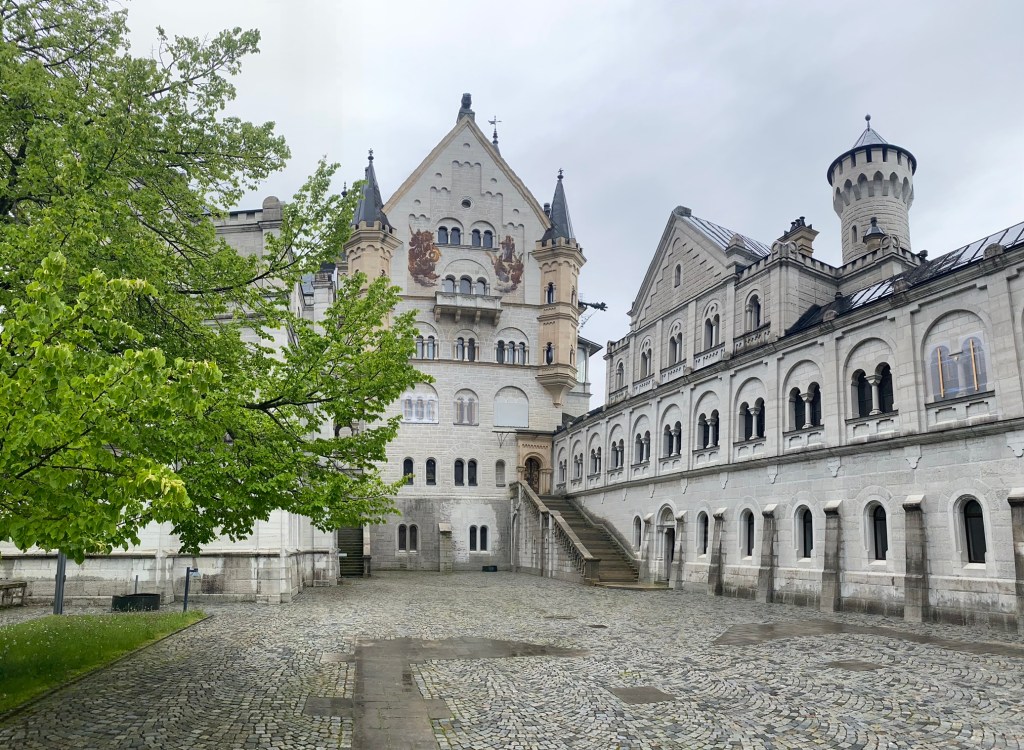
Neuschwanstein was our goodbye to Germany, as our next destination was Salzburg. Crossing from Southern Bavaria into Austria, you’re in for a treat, as the road leads through some beautiful sceneries. Even the Tesla supercharger stop in Piding offers some amazing vistas!

Salzburg

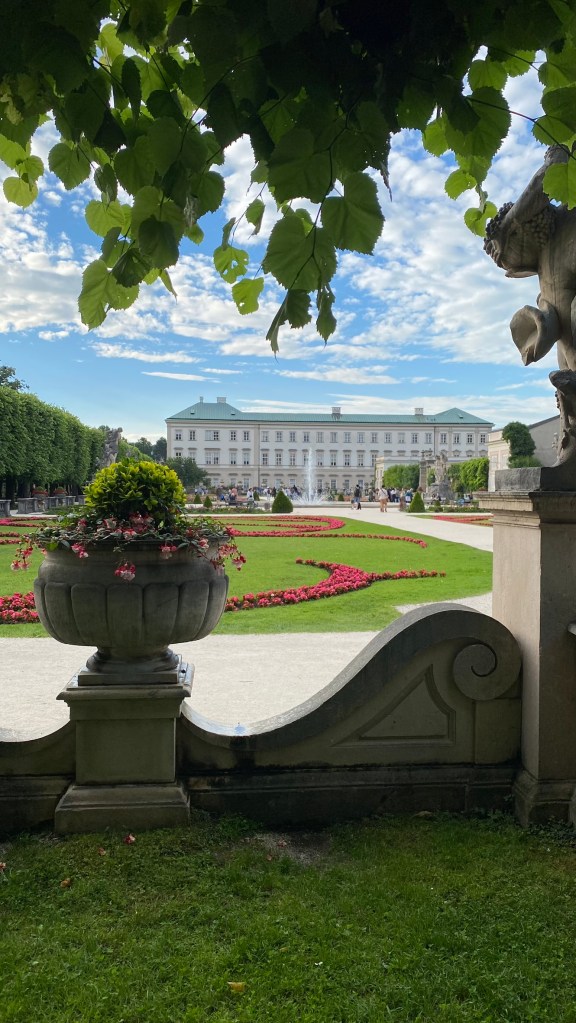
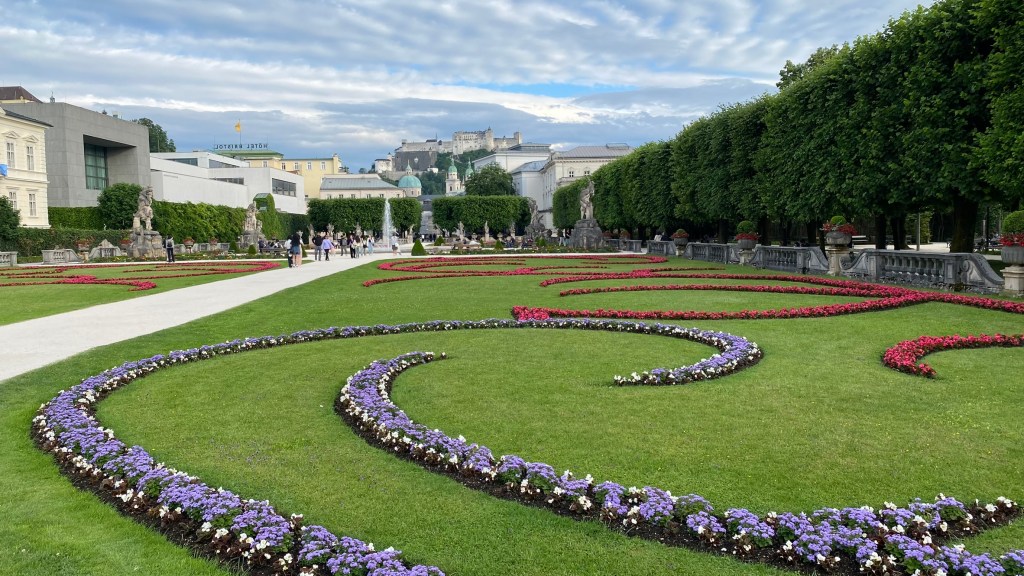
One of our all-time favorite destinations we’ve visited numerous times. Also, one we can’t resist stopping by every chance we get, even if just for the night. It just happens to be on the way to our next point so why not? 🙂

Hallstatt

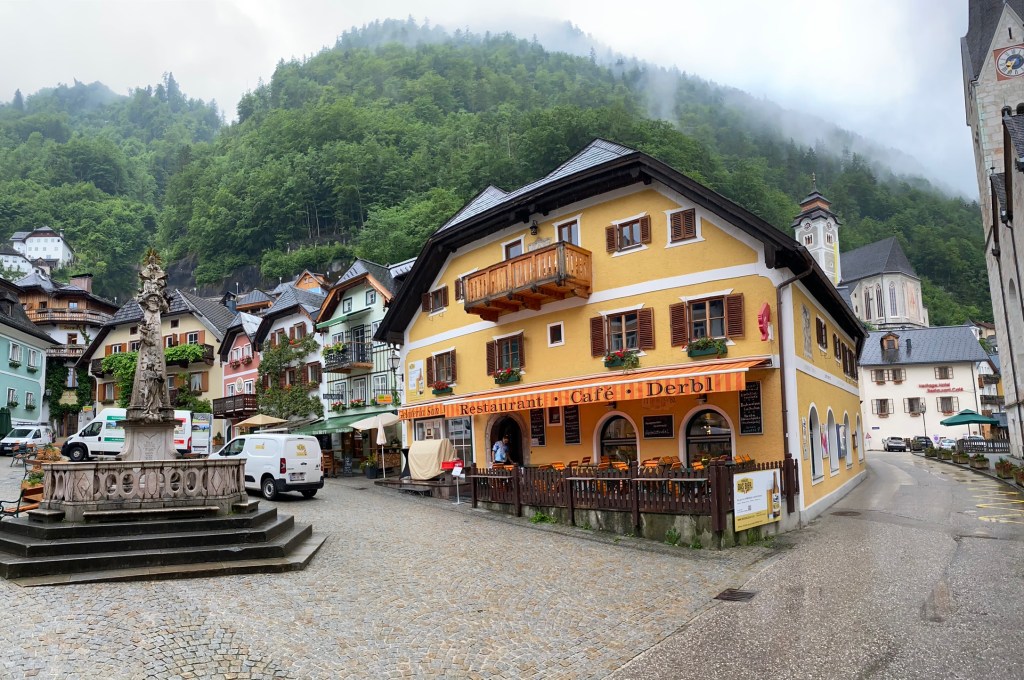
Continuing on, another iconic place to check. The weather threw another surprise at us and we had to reach out for the umbrellas once again. Maybe not the most ideal situation for taking pictures, but we have enjoyed the stroll through the streets of Hallstatt none the less. Bonus: there were no crowds to compete with. Definitely a place to come and visit and possibly stay for a day or two in the future.
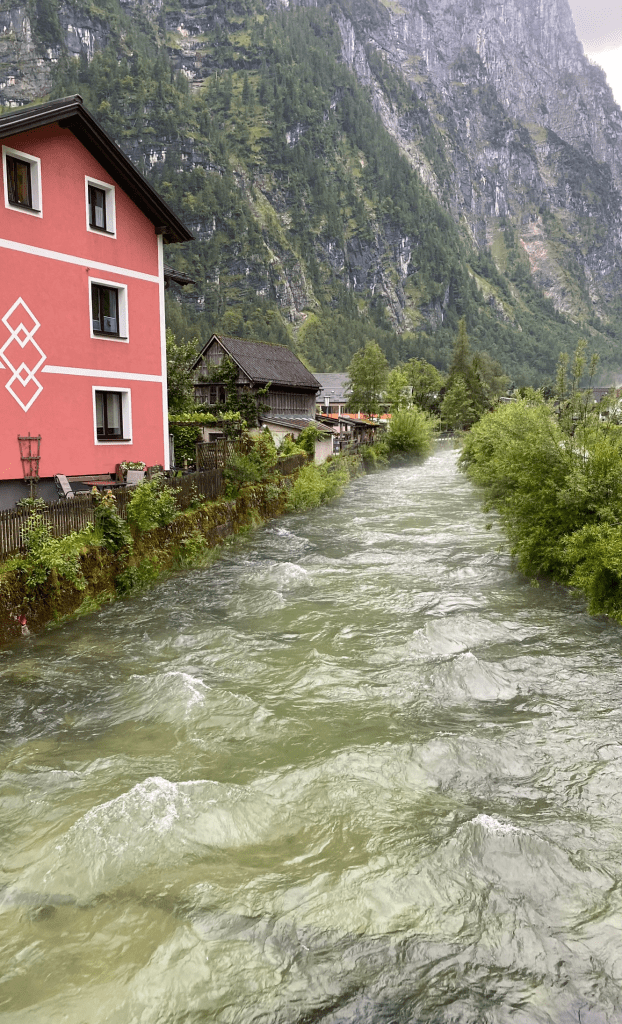
The next attraction on this list was very special for both our daughter and me.

Red Bull Ring, Spielberg

It was a promise fulfilled for her (as a present for her high school graduation), but I won’t deny it was exciting for me as well. We both enjoy watching Formula One and it’s one of my favorite circuits in Gran Turismo on PlayStation.

The excitement started building up as we were approaching the facility. Huge banners with Red Bull theme welcoming visitors. The roar of GT3s at the circuit as we stepped out of the car and walked towards the visitor center. This place is awesome!
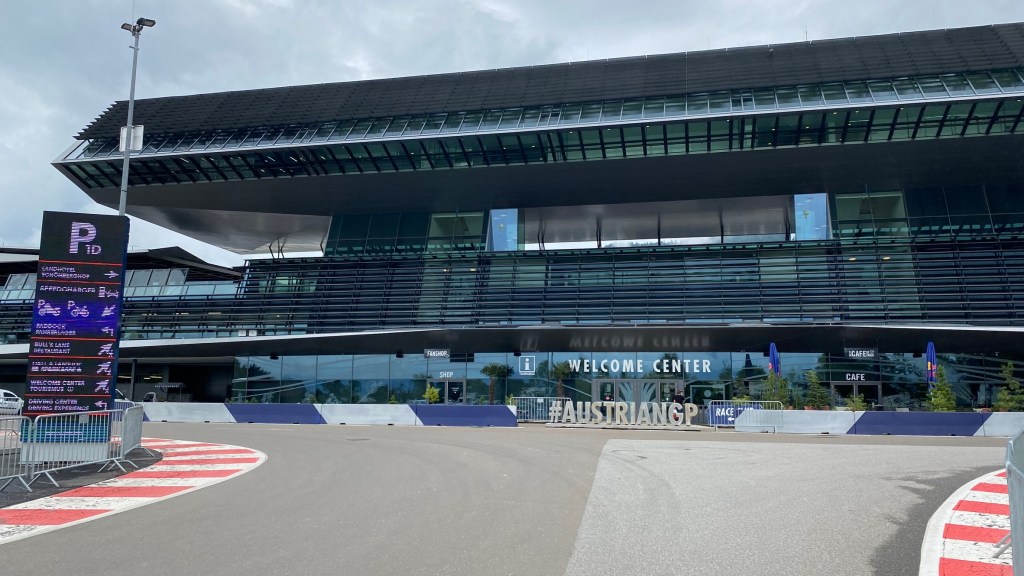
A short few minutes later and we were greeted by our friendly tour guide. He was very accommodating and allowed us to spend time asking questions and taking pictures. We’ve had a glimpse at the areas that are usually out of reach for us mere mortals (unless you fork out cash for a VIP pass):

  • pit lane
  • podium
  • cooldown room
  • VIP lounge
  • the whatchamacallit tech room with all the camera feeds

We were allowed and even encouraged to walk the underground tunnel that brings you to where the team trucks are usually parked. Unfortunately, we didn’t get up to the iconic bull sculpture, as the preparations for upcoming GP were already underway. Still, we had a blast. To think we shared the same walk and visited the same rooms as the car racing gods like Jackie Stewart, Niki Lauda, Ayrton Senna or Michael Schumacher before us… unbelieveable! From now on while watching the Austrian Grand Prix back at home we can say it out loud “we’ve been there!” 🙂

There’s many photos we have taken at Red Bull Ring, but I am not going to spoil all the fun. If you have the opportunity, plan a visit and you won’t be disappointed! Ok, last bite in case you are not yet convinced:

Vienna

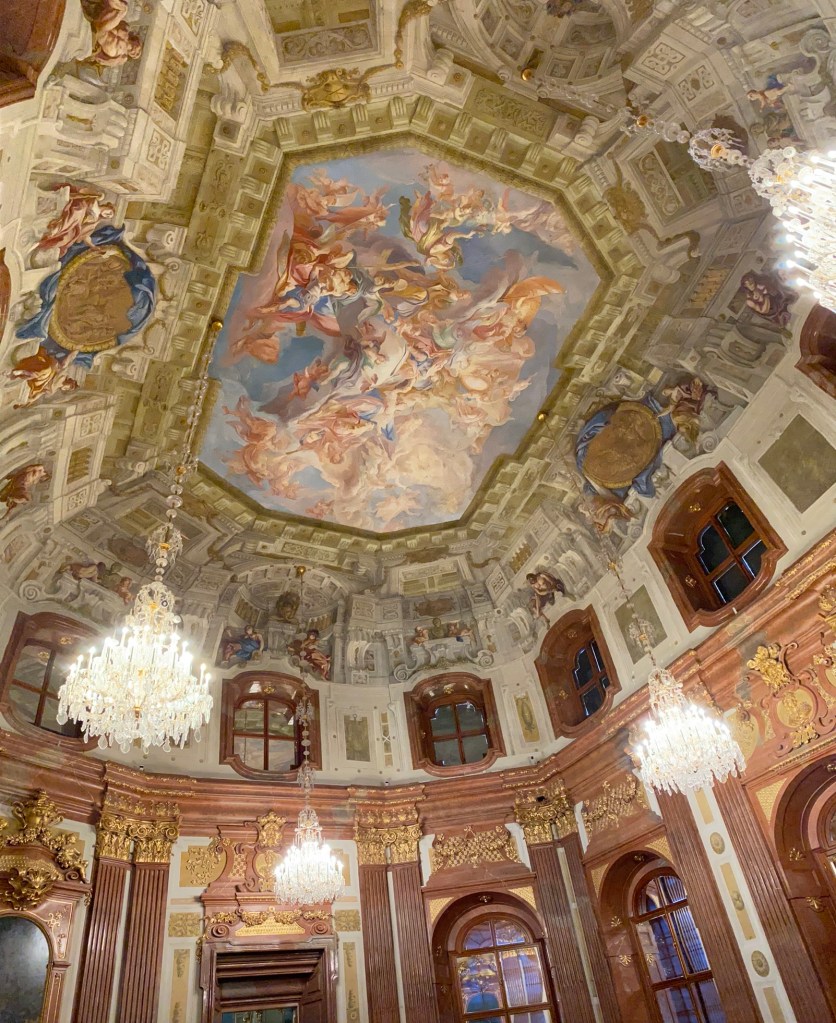
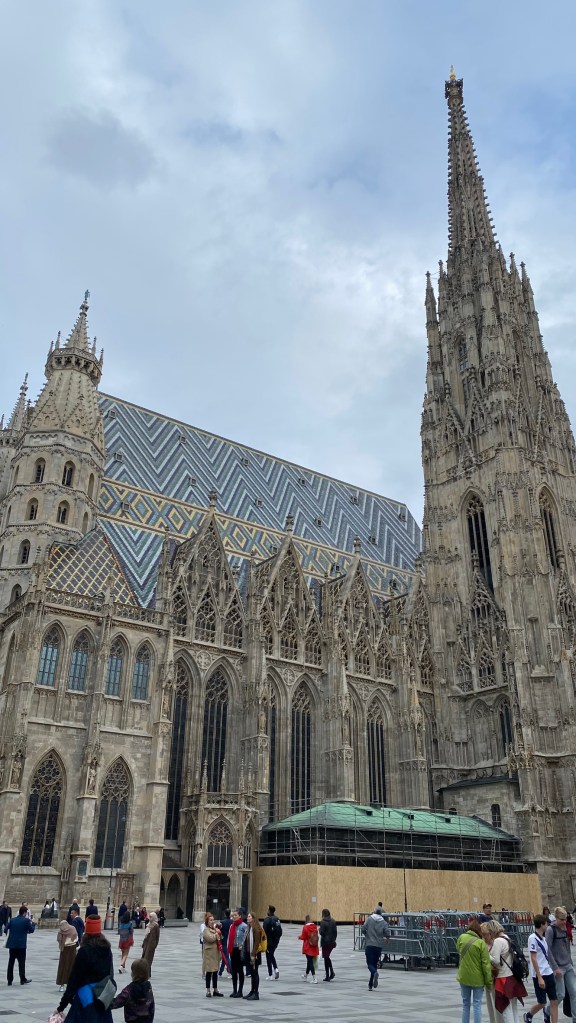
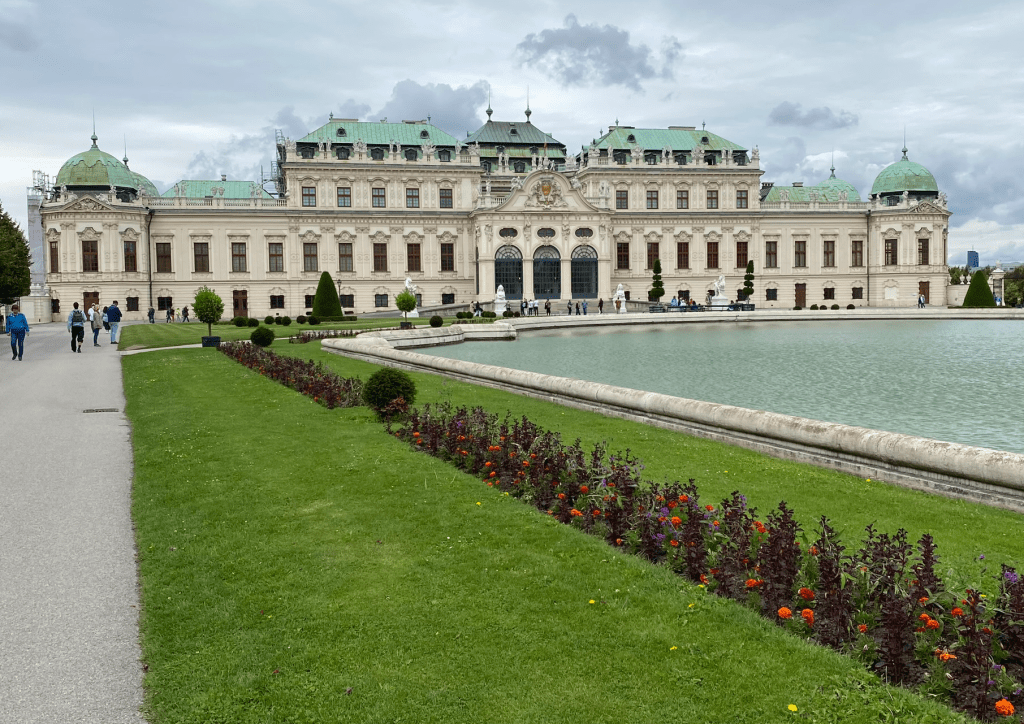
Together with Salzburg, one of our favorite destinations. A must-visit for us whenever we are in this neck of the woods. Our main focus was on checking out some of the great museums Vienna has to offer, primarily Gustav Klimt’s exhibition in Belvedere (which we missed last time we were in the city) and Leopold collection of modern/contemporary art. Of course, one has to say at least a quick hello to the traditional tourist attractions. And yes, Stephansdom is undergoing some renovation again.

* * *

The other part of the trip was visiting my family in Poland. We mostly spend time chilling out together, so not much in the breathtaking scenery department to post here :).

* * *

Nuremberg

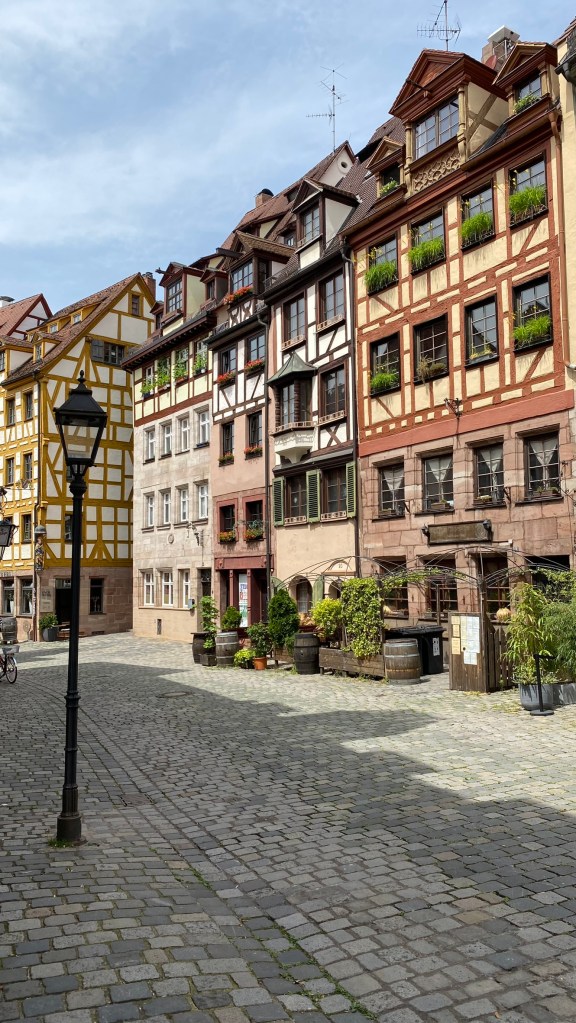
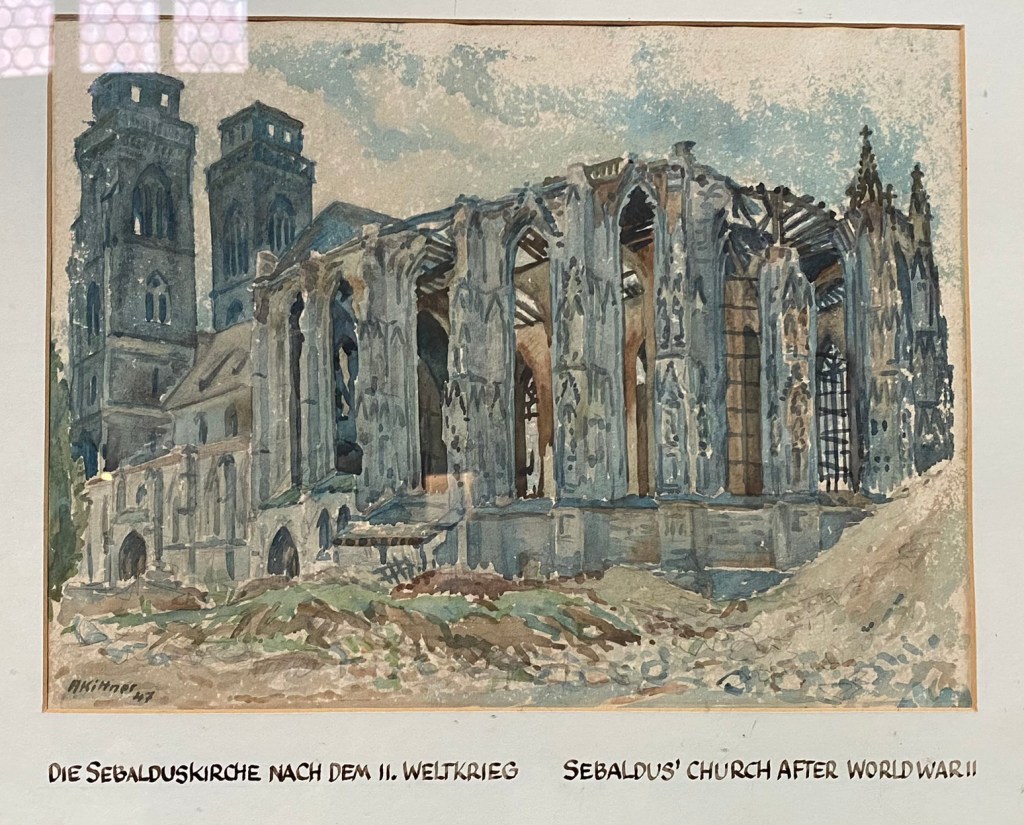
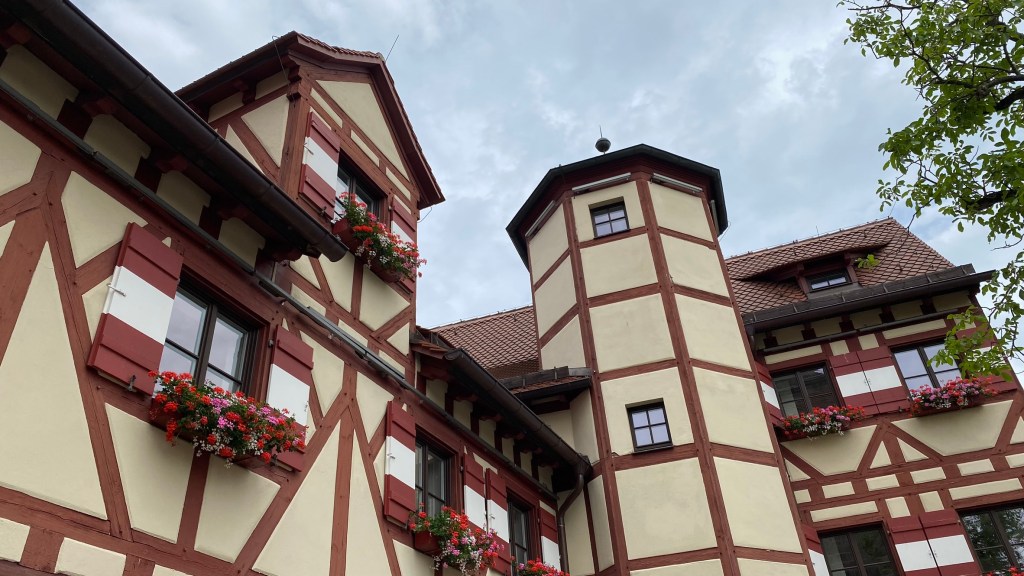
For most people, Nuremberg is synonymous with the Nazi rallies during Hitler’s rise to power, and later their trials after WWII. There’s much more to this city though. It’s tumultuous history is reflected in many of its landmarks, from middle ages, through 30 Years War, Napoleon era until the modern times. It’s also a birthplace of Albrecht Dürer and Johann Pachelbel. Its historical St Sebaldus’ church – badly destroyed during the war, but subsequently restored to its previous glory – holds a lot of interesting historical artifacts, some dating to the early XI century!

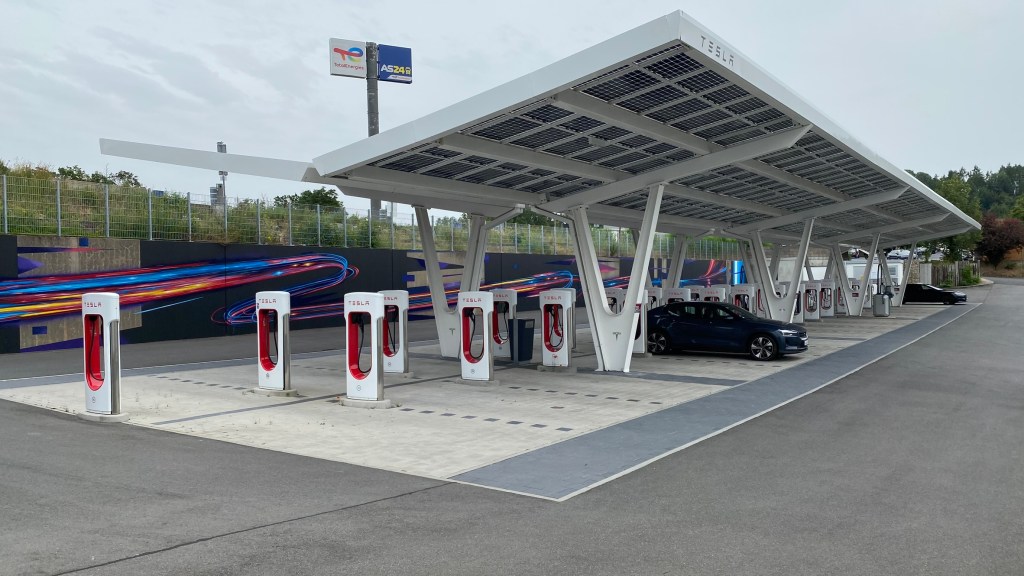
On the way back to Frankfurt, we had a quick charging stop in Geiselwind – one of the nicest Tesla superchargers we’ve seen!
Frankfurt

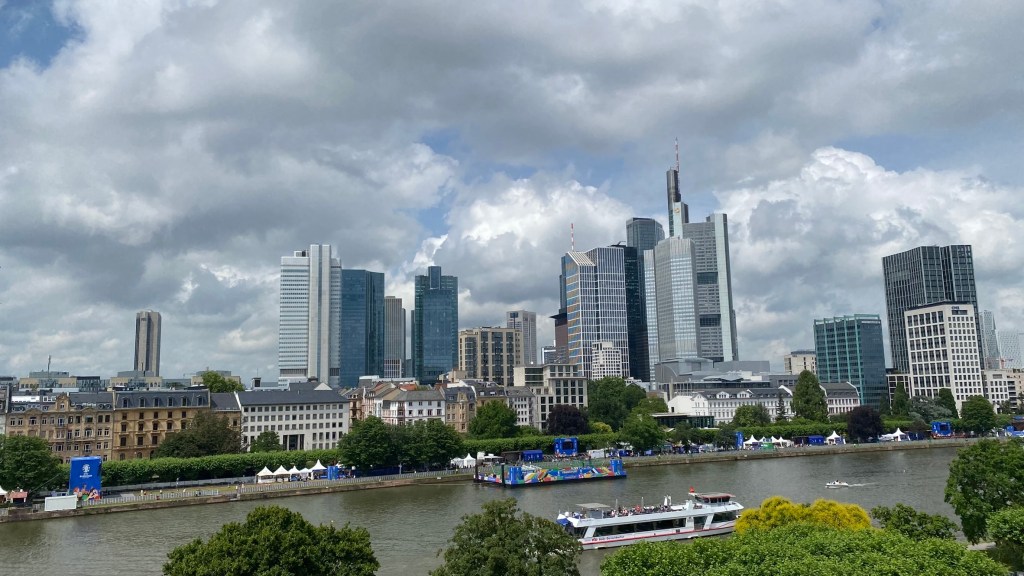
Final destination of the trip. Almost all our visits to Europe transited through Frankfurt airport, but we’ve never had a chance to explore the city. We finally did. Caprices of the weather didn’t stop us from exploring the old town. We were planning to check out the Städel Museum anyway. The museum features over 700 years of art, from Old Masters to modern exhibits. One of the unique features added in recent years is the viewing terrace. I was lucky to be there during the few minutes when the sky has cleared up, so I could take a panorama shot of the city.

* * *

Here we are, then! Another great road trip in the books. Great places, wonderful memories. We’re already missing it! In case you’re wondering how was our experience renting an electric car for this trip, I have recently posted it here. It’s definitely something we will consider again in future!
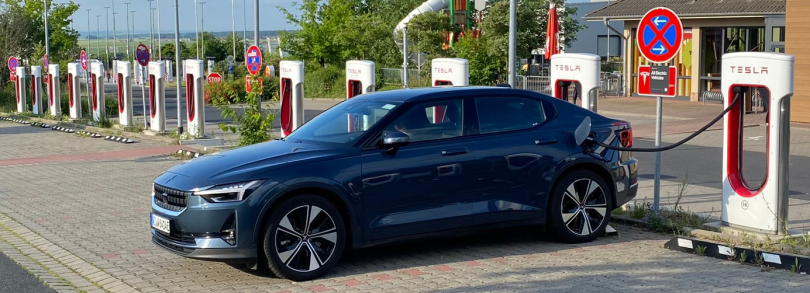
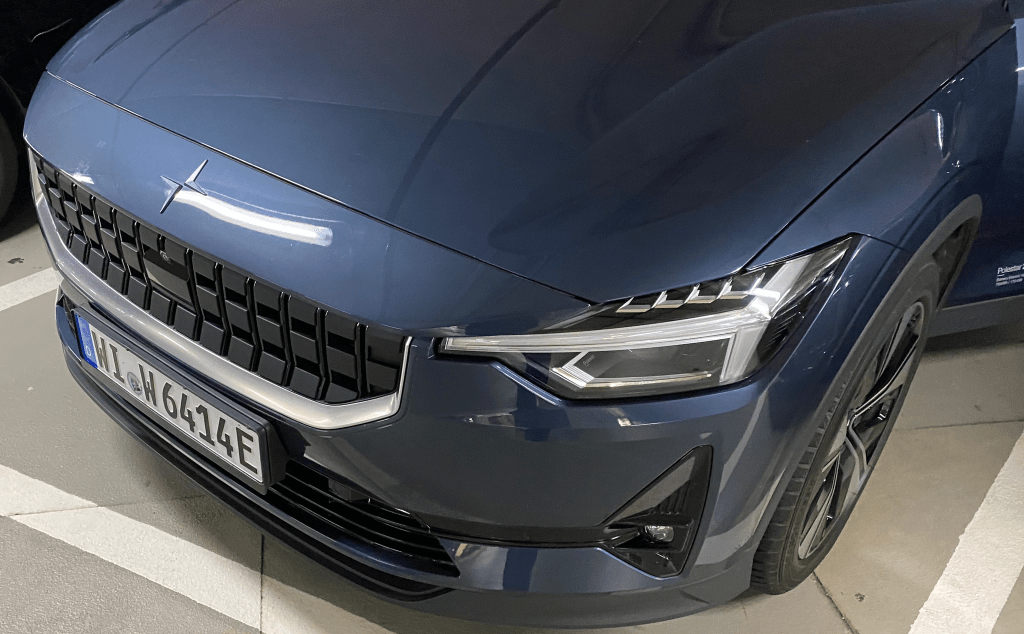
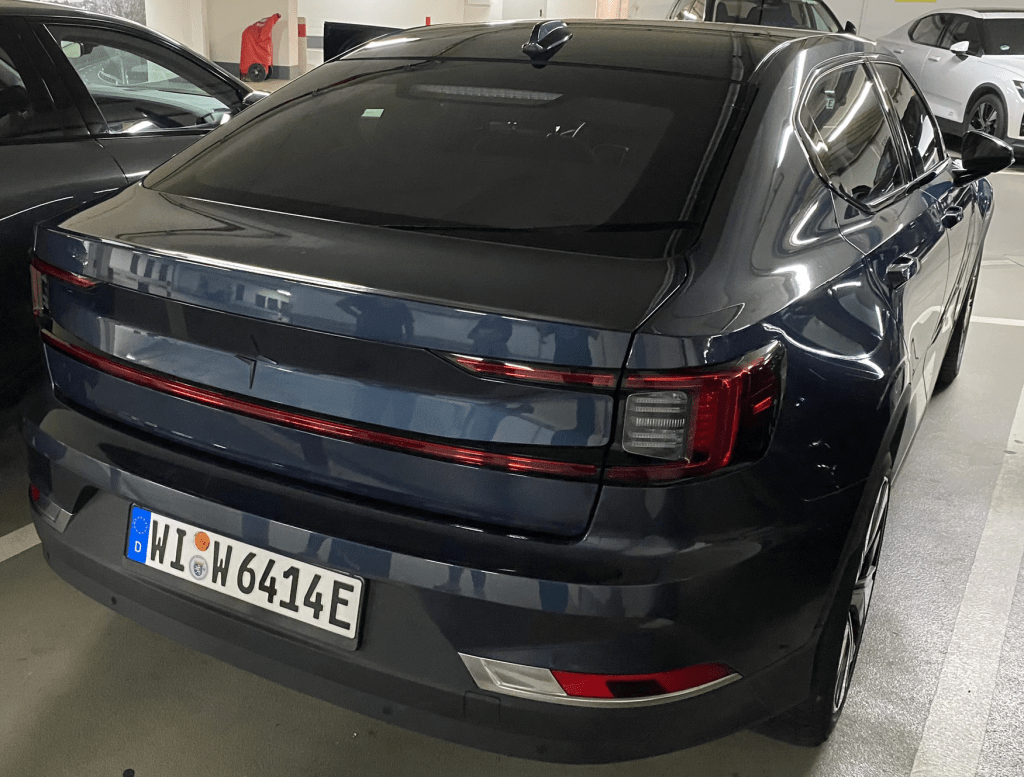
Polestar 2 is a great European road trip car, thanks to… Tesla!

Whenever we visit Europe, we typically rely on public transportation to get around. While it works great in general, it kind of limits your choices when it comes to how many places you can visit if you only have a few days to spare. It also means we typically revisit the places we’re already familiar with, since we know how to optimize our itinerary.
The idea of renting a car and checking out other parts of Europe was growing on me for some time. Even better if it could be in an EV, but I assumed renting one would be pricey. To my surprise, Hertz had a very good rate on Tesla Model 3 at the Frankfurt airport (our usual landing hub), so we booked it in advance. I was a bit concerned, seeing the headlines about Hertz ditching Teslas as their rentals. Days before the trip I started receiving emails helping us renters to get familiar with the car, how to charge it etc. These messages boosted my faith that the possibility of Model 3 waiting for us was real. We finalized our itinerary and mapped all the charging stops along the way. All was set.
Unfortunately, my early concerns proved to be valid. Upon arrival, they didn’t have any Teslas, only a Fiat 500e. While cute, it would not accommodate us plus luggage, nor was the range sufficient, given our plans. Real bummer. I was then offered a Mercedes Benz C-class in compensation and I would have considered it if not for Hertz’s own policy for premium cars not allowed beyond certain country borders. Somewhat miraculously, they found the keys to a Polestar 2.

While not the Model 3 we were hoping for, I knew I would be fine for most of the journey, given that Tesla has opened up their supercharging network to other EVs equipped with CCS (the de facto standard for fast charging in Europe). The only concern at this point was the charging situation in Czech Republic and Poland, which were part of our itinerary. The associate eased me into it by mentioning that he recently travelled in a Polestar to Hungary and the Shell Recharge network made the journey effortless. The rental car came with the necessary RFID token/fob.
On the plus side, the Polestar 2 had better range as compared to the Model 3 Standard Range, so we would probably not have to stop as often either. So, after a bit of back and forth I decided to take it. Off we went!

* * *

How did the trip go then? Thanks to Tesla’s supercharger network it was a breeze, actually. All you have to do is pull into a slot, connect, confirm the stall number in the Tesla app and viola!

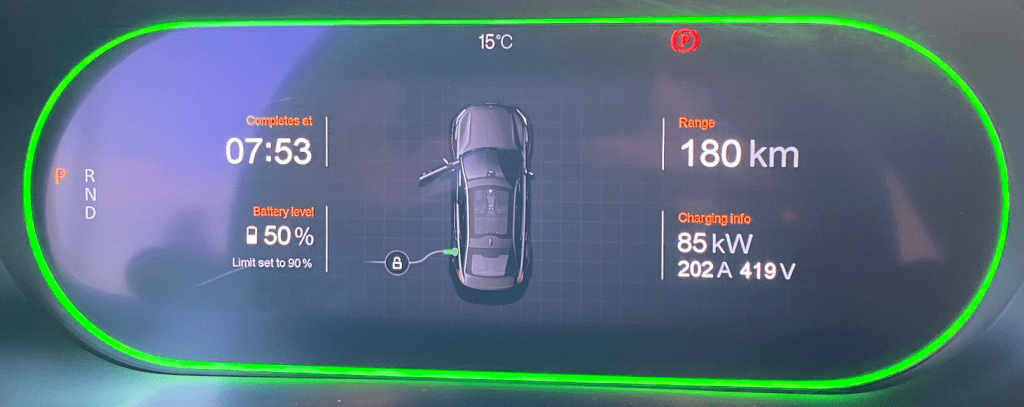
Most of the locations were rated up to 250 kW, so while the single motor Polestar 2 is rated at 133 kW max, charging was generally quick (10-15 minutes stops, mostly to have a buffer just in case).

Pulling a steady 85 kW during our first Tesla supercharger stop. Not bad!

As expected though, we could not take advantage of superchargers in Poland (none of them are opened yet to other vehicles) and I had to search for a fast DC charger around. GreenWay came to the rescue, albeit it is pricey if you don’t have a monthly subscription (EUR 0.73/kWh during our visit). The only other hiccup was during the returning trip. We could not get a successful charge at Tesla’s Pilsen supercharger. Seems like the whole site was affected, as Tesla drivers were having problems juicing up their cars as well. Ironically, we chose this location to stay overnight specifically due to the charger’s proximity to the hotel. At the end, we managed to find a nearby E.ON station which worked with Shell Recharge token (provided with the car) and all was good. It could have been dicey, as we had an estimated 130 km of range remaining and the nearest other Tesla supercharger was 80 km away. This lone incident has reaffirmed once again that a robust and reliable infrastructure is a key to successful adoption of EVs.

Suggested charging stops, courtesy of A Better Route Planner.

How about the car itself? Did it leave us stranded or disappointed? We’ve spent 2 weeks and travelled 3000 kilometers together after all! I’m happy to report that Polestar 2 did just fine. I am not going to write an extensive review, as there are plenty around. Some personal observations below, mostly in comparison to our Tesla experience. First – the positives:

The likes

  • Comfortable ride, handling and seats
  • Great range, even in the single motor configuration
  • Better charging curve than my aging Model S!
  • Very little of “phantom” battery drain overnight
  • Integrated Google Maps, including plenty of additional information such as road closures due to construction or flooding (parts of Bavaria were affected by floods during our trip)
  • Intuitive on-screen trip planner, supporting waypoint and alternative routs. Built-in filter for preferred charging networks/types is a nice touch
  • Frameless mirrors with great blind spot monitoring
  • Automatic rain sensing windshield wipers that just work – Tesla could learn a thing or two here 😉
  • Parking sensors and assistance (with 360° view).

It might come as a surprise, but there was nothing seriously annoying about the Polestar 2 that would be worth spilling the virtual ink over. Let’s just call them minor inconveniences:

Not-so likes

  • Relatively small trunk space (as compared to Model 3)
  • Frunk opening mechanism requiring 2 hands (traditional hood latch, like in ICE cars)
  • Limited storage space in the center console (with a hidden cupholder)
  • Cross-traffic auto-brake is a bit too sensitive.
Brother from another mother!

It is a really well built and designed car. A proper EV and very fun to drive. I would definitely recommend to rent one as an alternative to Tesla, especially with the access to supercharger network. Public charging in Europe is still a mess and I despise the registration approach of different providers, but that’s another story.

* * *

Upon returning the car at the Frankfurt airport, the clerk ended our quick conversation with the statement that “electric cars are shit!”. To which my response was “Not this one!”. Not this one, buddy.

Tesla Model Y – first impressions

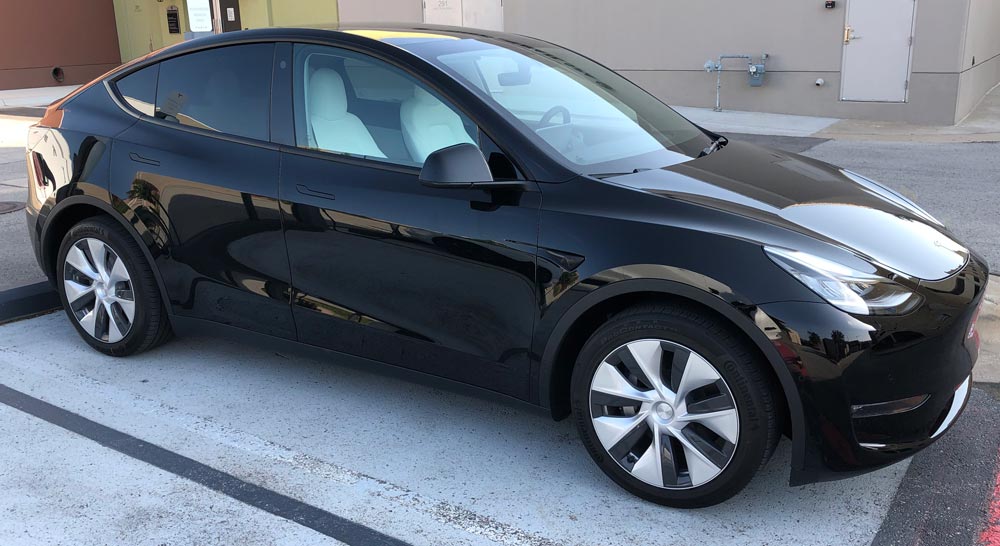
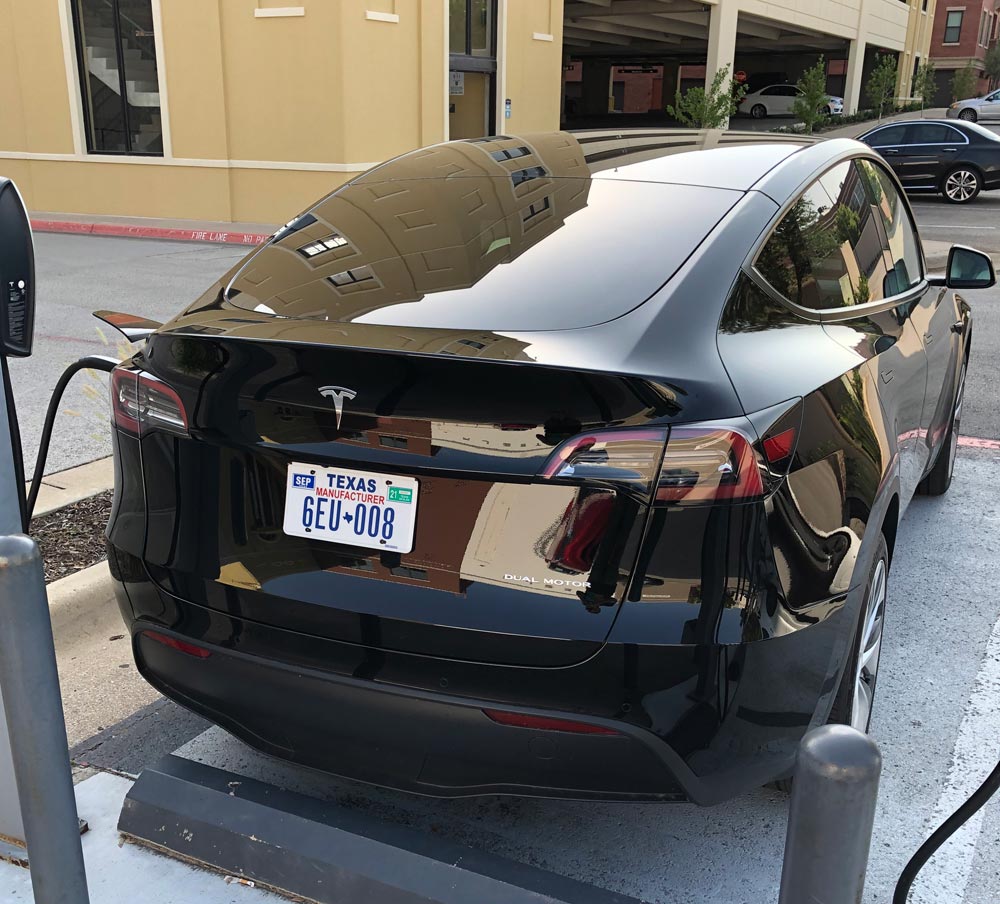
We need to find a suitable replacement for my wife’s Hyundai Ioniq hybrid soon. Thanks to the generosity of Tesla showroom in Southlake, TX, we were able to take an overnight possession of a brand new 2021 long range Model Y. Here are some initial thoughts and findings.

The elephant in the room

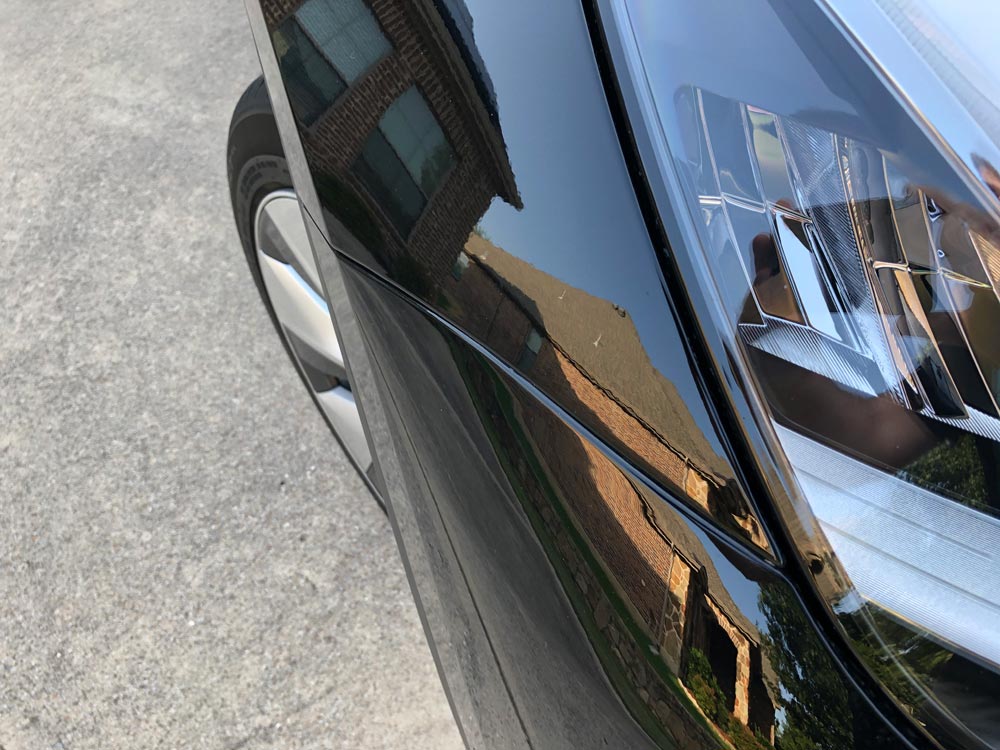
Everyone is obsessing about Tesla’s fit & finish, panel gaps and paint quality. There was a lot of reason to all this in the past, but as far as I can tell, the car we had was spotless. All the gaps between body panels and around the head- and taillights were uniform and comparable to any other premium vehicle from other brands. The interior fit and finish was excellent and there were no squeaks or rattles. The paint quality didn’t display any defects and I could not spot any “orange peel” or uneven streaks anywhere. So far, so good.

Look & feel

I was a day one reservation holder for Model 3, but I wasn’t exactly crazy about the looks. Model S it ain’t (ironically, that pushed us towards buying one instead). In comparison, Model Y has a much better appeal. It is also promising better overall functionality, thanks to being a hatchback.

The car is sized between Model 3 and S, but when talking about utility value I think it lands closer to the latter one. Many call it a “stretched” Model 3 and there’s some truth to it. For what it is worth, the proportions and taller rear end make it look more desirable and just better looking.

Interior

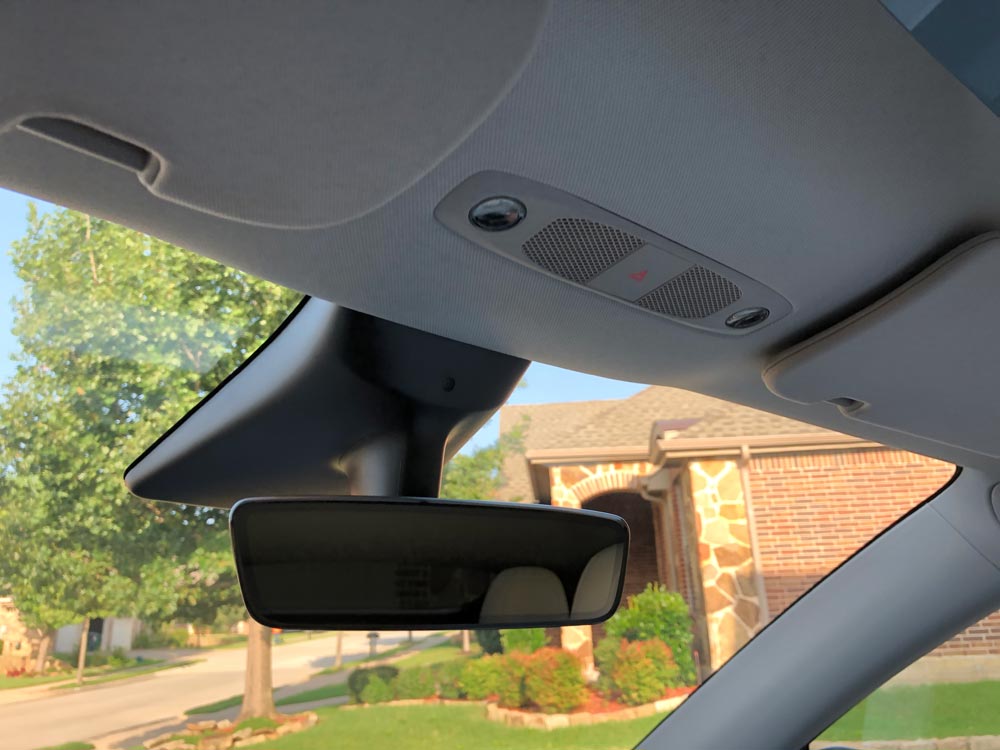
Very similar to Model 3, but thanks to more vertical clearance it provides better sitting position (similar to what you find in SUV) and more leg room for rear passengers. It is worth noting that the particular model we had a chance to test drive was equipped with third row seats. Granted, nobody should expect that an adult could enjoy sitting there on longer trips, but if kids are involved it actually offers significant clearance for the legs.

I wasn’t convinced that white interior would be the way to go, but seeing one in person I must say that it provides that premium feel. Seats were very comfortable (at least as good as the ones on Model S) and provide plenty of support. Taller stance also provides for an easier entry and exit to and from the vehicle.

Thanks to employing dual panel glass on front side windows, the wind noise is significantly reduced (definitely so when compared to our Tesla’s bigger brother). Electric cars are quiet by design, but this innovation allows to enjoy the ride in more comfort, music included.

Speaking of which, audio quality was excellent. It is always a subjective opinion and there are many variables at play, but I dare to say it is as good as the premium sound package on my Model S.

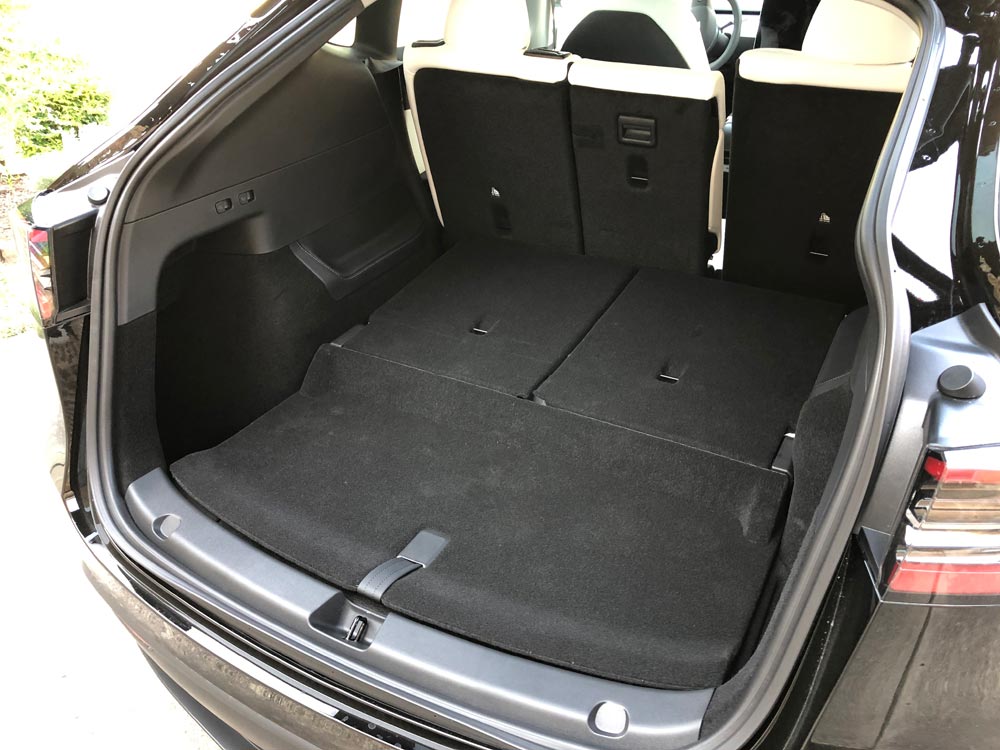
Being a hatchback, the Model Y does not disappoint with the amount of cargo space. The “frunk” is spacious enough to put a standard sized carry-on luggage. Trunk has ample room as well. Similarly to other Tesla models, there is also an additional cargo compartment under the floor. One new feature is the presence of a tray under the floor – could be useful for some loose items such as an extension cord, a small toolbox or other relatively flat objects.
Given that this was a 7-seater configuration, I would expect that a regular 5-seater would have even more room for carrying one’s belongings.

For those suffering from allergies, 2021 Model Y comes equipped with HEPA filter and Bio Defense Mode. Nice.

Bio Defense Mode

One minor surprise was the lack of a cargo cover. It does not look like one could be retrofitted in (not without modifications to the cargo area anyway) as there are no rails or clips that would hold it in place, even if Tesla would provide one as an option. As far as privacy though, both rear side and liftgate windows are tinted enough to prevent any peeking in. We always use the cargo cover to provide some insulation from direct sunlight, so it would be interesting to see how the tint would fair in comparison.

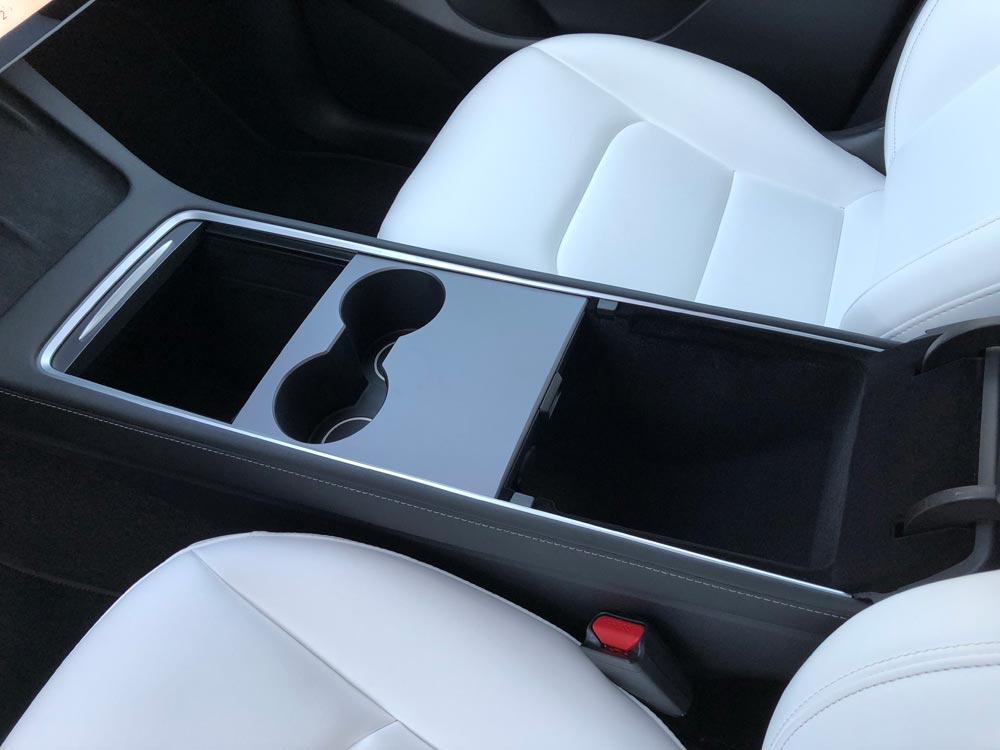
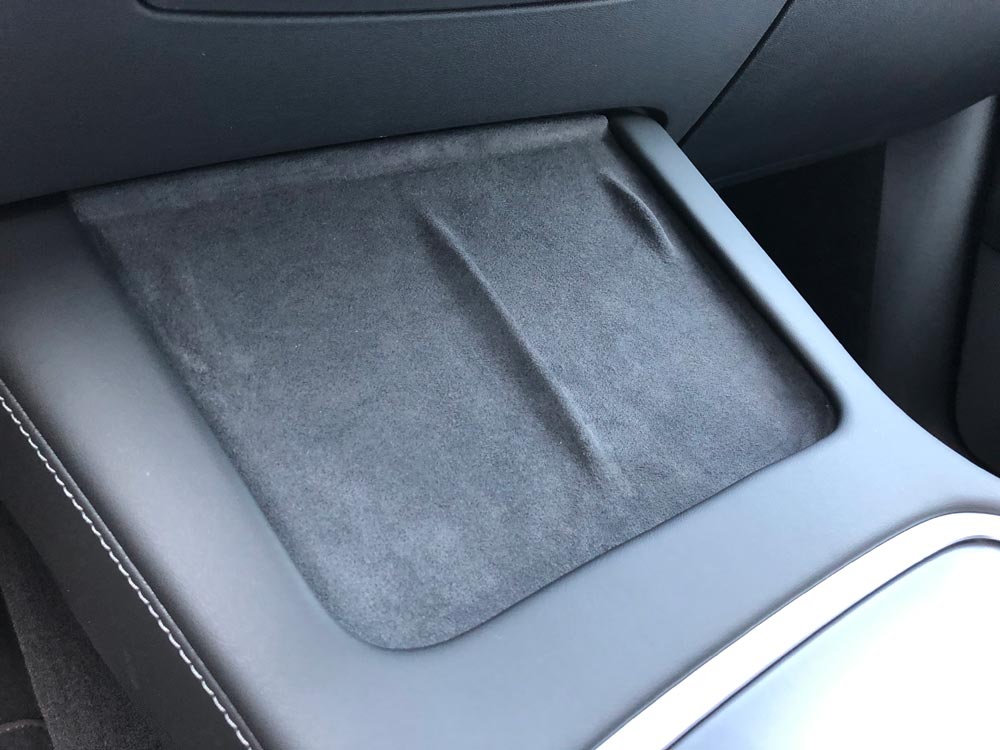
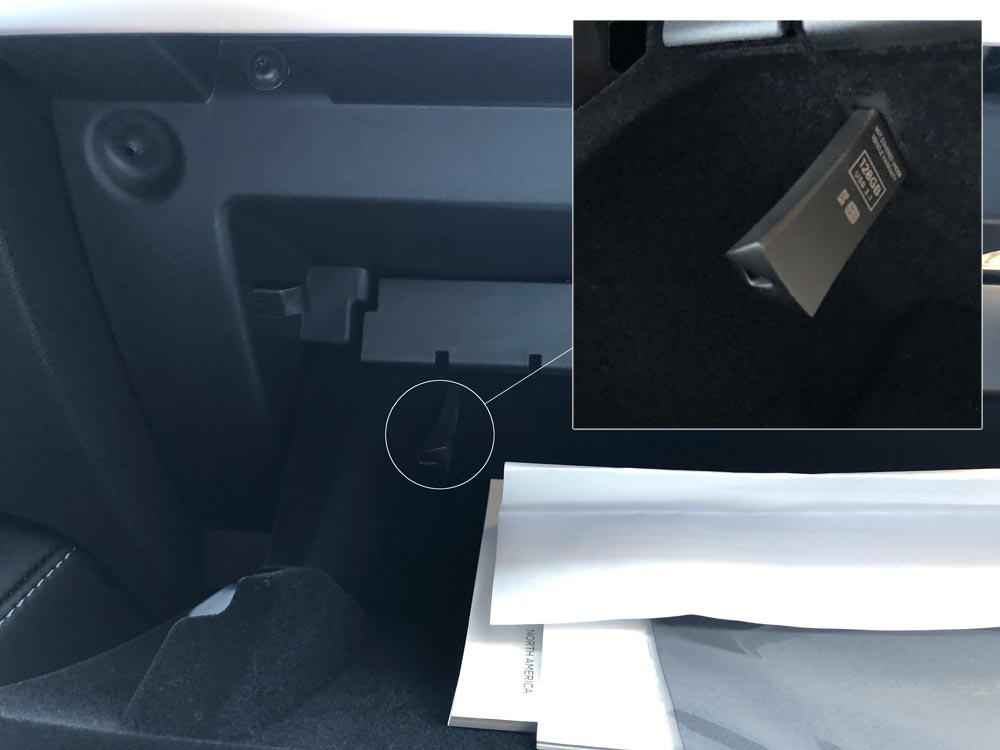
Other note-worthy perks include a newly redesigned central console with dual wireless charging for mobile devices, handful of USB ports and nice compartments to hold smaller items. I like the idea to mount a USB stick holding all dashcam and Sentry Mode recordings inside the glove compartment. Keeping it locked and out of sight makes it harder for anyone to gain unwanted access. Tesla even provides a USB stick with the car, mounted and ready to use. The only small gripe would be that they should make it a low profile (similar to SanDisk Ultra Fit). Otherwise it is just a matter of time before it gets damaged while reaching for other items in the glove box.

Ride quality

Equipped with the standard 19″ wheels, the Model Y did a good job providing a smooth ride and dampening any road imperfections, even without having an adaptive suspension. All-wheel drive and more compact size as compared to our Model S allows for approaching curves with even more confidence and taking corners without easing off the accelerator pedal. Even in standard drive mode the car feels nimble and there is no noticeable body roll.

This doesn’t necessarily fall under ride quality, but the long range Model Y offers Tesla-worthy acceleration (0-60 in 4.8 seconds) which allows for a spirited and breathtaking driving experience.

Other observations

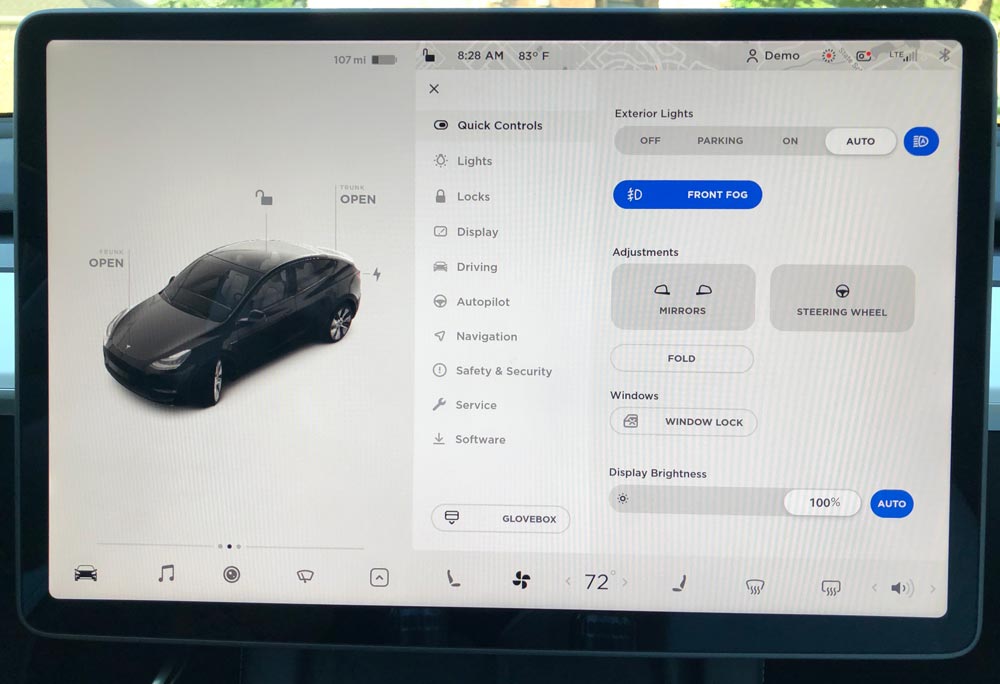
One of the major concerns many people have is the lack of an instrument cluster in front of the steering wheel. Similarly to Model 3, there is only one screen mounted centrally in the dash area. I’ve had a chance to drive the Model 3 before and my personal concerns were quickly dismissed then. Having a chance to spend more time in Y, it only confirms that it really isn’t a big deal. The important information, such as the speedometer and overall status of the car, are positioned to the left of the screen and close enough to the driver’s side that it becomes second nature just after a few minutes of driving.

Final thoughts

We were very impressed with the Model Y. No wonder it quickly surpasses the Model 3 in its popularity, as it offers more versatility and comfort while remaining relatively compact and fun to drive. Tesla is not wasting time fine-tuning its manufacturing processes, as the 2021 model definitely addresses most of the quality related complaints. Would we recommend one? You bet!

Going solar!

I have been considering solar panels for a long time. It came really close 7 years ago, but due to a back and forth exchange with my HOA (Homeowners Association, for those unfamiliar with the matter) the installation could not happen before the rebate from the city we live in would expire. So we had to scratch that idea for the time being, unfortunately.

Lots have changed since. While the technology saw only some incremental improvements in panel efficiency and energy output per panel, the price per Watt has dropped significantly in the last few years. Compared to the 7 kWh system (without battery backup) I was considering in the past, I now can have a 12 kWh system with battery backup for almost the same price. Also now that we have an electric vehicle, the incentive is even stronger to go greener.

After careful research I decided to go with Tesla for the solar installation. The process has just begun and there’s still a number of outstanding “ifs” and “buts” before we come to completion. For what it’s worth, I thought it would be beneficial to document the whole process here. If any of you are considering to follow a similar route, hopefully you will find this information useful. I will be updating this post as we get closer to having the system installed at our house. Fingers crossed that everything goes as planned this time round!

Day 1

I placed an order using Tesla’s website. The process is very simple. After providing your home address and average electricity bill, the website will offer suggestions regarding the size of the system and the estimated pricing:

You can modify the system’s size and opt in for the battery backup (which I did). Upon providing your particulars and placing a deposit of $100 your order is complete. The deposit is fully refundable should you change your mind throughout the process.

Within minutes, I received confirmation on my mobile phone. At the same time, I was asked to login to Tesla’s website and provide some additional information:

  • Copy of recent utility bill
  • Photos of the electric meter and its surroundings
  • Photos of the circuit breaker box, including the close up of the manufacturer’s label and the main breaker
  • Some photos of the garage itself
  • HOA’s name (if applicable)

The whole process is done online, no interaction with any human being. However, if anyone from Tesla is ever to read this, I have one feedback: it would be nice to have a checklist of all the pictures that you are expecting the homeowner to take, so we can avoid doing an Easter egg hunt. In some fairness, you suggested completing this process using a mobile phone – now I know why.

Day 3

I received a notification from Tesla that my initial layout is complete and to go to their website to review it. Tesla uses an online tool to streamline the process of designing the system for each individual customer. I believe that they use data from Google (Project Sunroof?) to aid their design process.
The layout includes the visual representation of how the panels will be distributed on the roof, plus some technical specifications related to the type of solar panels, inverter, as well as a description of what Tesla Powerwall is about. Once you acknowledge the layout, you are asked to provide a digital signature to get the process started. You are also asked to:

  • Provide a copy of the declaration page of your homeowner’s insurance policy
  • Acknowledge and digitally sign that you are responsible for liaising with HOA to get any necessary approvals (so much for the hope that Tesla will do it on my behalf)
  • Acknowledge and digitally sign your purchase agreement.

Day 4

Another notification on my phone. This time round I was asked to review and sign the permit application, so that Tesla can obtain the necessary approvals from the city before the installation can be performed.

Day 5

I found some discrepancies between the solar inverter shown on my proposed layout (SolarEdge) and the equipment listed on the permit application with the city (Delta). At this point, I also started having some serious doubts regarding the layout itself. My system would comprise of:

  • 36 x Q CELLS 340 W panels for the total maximum output of ~12 kWh
  • SolarEdge inverter
  • 3 x Tesla Powerwall for battery backup

The panels themselves were literally added to Tesla’s offering just few days before me placing the order (together with some additional discount on the overall installation cost, I might add).

The proposed layout displayed a majority (22 of 36) panels installed on the North-facing slope of my roof. From all the research I’ve done related to solar panel installation the consensus always was that as long as you are living on a Northern hemisphere, you should avoid placing panels on the North side of the roof, as it will drastically reduce the amount of energy they can provide.
My other concern was related to the model and capacity of the inverter, as well as the use (or not) of power optimizers. The Internet can be both a blessing and curse, so after extensive research and reading a horror story or two related to an improperly designed photovoltaic system I grew a bit paranoid to make sure that when I am ready to take the plunge, everything will be done right.
The concern was two-folded:

  • Solar inverter sizing – I wanted to make sure the inverter is chosen to match the peak production output of the panels
  • Optimizers – SolarEdge is known for using power optimizers as an alternative to micro-inverters. The are compact devices installed underside of each panel and help to ensure that the overall system production is not affected by deficiency or malfunction of an individual panel (due to different orientation towards the sun, partial shading, cell damage etc.)

My last concern, albeit smaller, was related to the placement of the Powerwalls themselves. As much as I would like them to be on the wall in my garage, the reality is that my garage doubles as my weekend warrior’s recluse, so the amount of free space around or on the walls is severely limited. I know that Powerwalls are designed for both outdoor and indoor installations, but I’ve heard some comments regarding the maximum distance from the power gateway. Just wanted to make sure that this won’t be an issue.

Here’s where the human-interaction-free process throws a serious kink: when you login to Tesla’s website to manage you solar project, you won’t find any direct link to submit your questions or concerns related to the process. I managed to scramble up a couple of email addresses as well as a phone number for Tesla Energy from the contact information on the copy of the permit application. I also found another email address while scouting Tesla related forums. I have sent my concerns to both addresses, hopeful to get some response from either of them.

Day 9

It was a long weekend due to a public holiday, so I didn’t expect any replies until Monday. I was hoping for at least an automated acknowledgement of my inquiries though. Crickets, unfortunately. I waited till mid-day Monday hoping that once the morning email backlog is cleared (assuming Monday blues applies to every IT and customer service department) I will get some reply. Nope. I decided to call the Tesla Energy phone number and hopefully get some answers from a real human being. It worked. Sort of. While my concerns related to SolarEdge vs Delta inverter, its sizing and use of optimizers were cleared, I haven’t gotten the answer I was hoping for regarding the panel placement. A very supportive and knowledgeable lady on the other side told me that the placement is hindered by steeper than usual grade, preventing the installers from placing the panels on the more suitable slopes (East- or West-facing). I was assured though that the estimated calculations regarding my annual output would still cover my home energy needs, even with the proposed layout. Not completely satisfied with the answers, I said “thank you” and decided to go with it, at least for now.

My HOA requires you to submit an application for any architectural changes prior to such change. Solar panels fall into this category. Part of the application is to collect signatures from the neighbors that will be directly affected by such change – either a noise/construction crew’s presence during the installation or any affect the new structure might have on them and their property (line of sight, aesthetics, noise). Under normal circumstances, this would not be a problem. Collecting a signature from a few neighbors is as simple as paying them a visit and explaining what you are about to undertake. Unfortunately, it is a bit more tricky during pandemic and when one wants to respect general social distancing guidelines. Desperate times call for desperate measures, so we have decided to print multiple copies of the HOA application and leave them with each of the affected neighbors, together with a short note on what it is about and how to return the (hopefully) signed application. It took a couple of days to collect all of the responses, but by Monday I was finally ready to submit my application with the HOA. Things have changed since I had to deal with HOA last time and now it seems that there’s an online portal where I can submit it. Done. Now waiting for a response. Hope it won’t take too long and that it will be an “OK, go ahead”.

I also found another email address (MyProject@tesla.com) that some customers were using for any follow up, so decided to forward my previous email to this one. I have received an automated response that someone will come back to me as soon as possible. A good sign.

Day 10

I did some further digging around the issue of panel placement. Turns out, the person I spoke to at Tesla wasn’t completely off suggesting that it is OK to have these panels face North. There’s a lot of information out there, so one has to be careful to separate what is a marketing ploy to get you sign a contract without any regard for your ROI from a science-backed research. In conclusion, these are the key points I found relevant to my project:

  • Photovoltaic panels have come down in price significantly in the past 5 years (some websites quote more than a 50% reduction in price), so much so that they are only a potion of the overall installation cost. The suggestion was not to worry too much about individual panel’s performance. As long as the overall output meets the expectations, mission accomplished.
  • If the panel orientation is of concern, sizing up the system by adding more panels should not add too much to the overall project cost due to increased panels output and reduction in price (as compared to 5-7 years ago).
  • Even when facing North and following the roof’s grade (not tilted up to face the Sun), the panels should still generate 50-60% of their nominal output. At least this is specific to the states that enjoy plenty of solar exposure year round (Florida, Texas, Nevada or California).

Still, since I am paying for it and hoping to cover all my energy needs, I would like the panels to be installed on the side of the roof that makes most sense. Call me stubborn. I decided to give Tesla another call, hoping to persuade my way through. The person I spoke to pretty much reiterated what I’ve already heard before: there is a maximum roof pitch that Tesla solar installers are not able to go beyond in concern of their safety. I asked if it is possible for someone to come and inspect my property in person rather than relying on satellite imaging and software only. I was told that they would request for that on my behalf.

Day 12

To my surprise, I saw a new notification on my phone that there are documents waiting for my review on Tesla’s website. There was an updated layout document waiting for my approval. This time round all the panels from the North slope were moved to the West side of the roof. Much better. I would still like to know if someone from Tesla will contact me and visit our property to examine it up close, but having all panels divided between South and West is a good start.

Day 13

I received a reply to my email and was assigned a Project Advisor. I have raised my concerns regarding the panel placement and asked if we could still reconsider and move some panels to the East. The Project Advisor forwarded me the response from the installation team that they would have to come and physically inspect the roof to reconfirm. Let’s see what comes in reply.

Day 14

HOA has officially approved our solar project. That was quick!

Day 18 – site survey

Look who’s here!
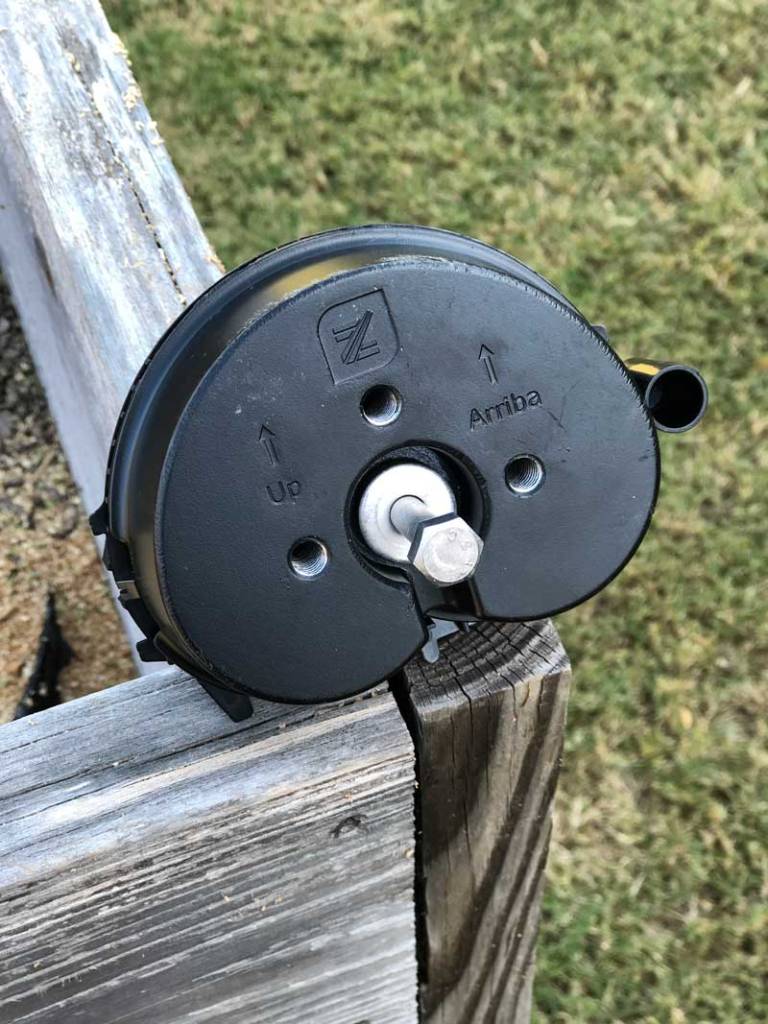
I received a text message yesterday to schedule an appointment for a detailed site survey. The process focuses mostly on exterior of the house, so the presence of the homeowner is not required. Since I was at home, I have shown the Tesla engineer what I had in mind for the placement of the Powerwalls and inverter. Taking advantage of me being at home, the engineer asked if he could use the attic entrance to take some additional pictures (for conduit work etc.).

Day 25

A bit of back and forth with Tesla on the final system layout and number of panels. Long story short, to offset the less-than-ideal panel orientation (there will be panels on the North-facing part of the roof after all), I decided on adding some panels to the project. The new system consists of 41 Q CELLS 340 W panels producing output up to 13.94 kWh.

Day 33

Looks like Tesla is ready to submit a permit application with the city before the installation can be scheduled. I was sent an updated application form and asked to provide an electronic signature.

Day 60

I’ve been checking my project page on Tesla’s website periodically to see if there is any status update. It still reads “Permit”. I’ve been also in contact with Tesla personnel who works with my city on the application. The answer so far was “still waiting”.

Out of curiosity, I went to the city’s website that let’s you see and track any permits submitted for your property. My search results did not return anything. Getting a bit concerned I have forwarded a screenshot of the search results to Tesla. In response, I was advised that the permit application involves multiple departments within the city and can take some time. I was also copied on the email correspondence they had so far with the city. Reading through, I have noticed that there was a request for additional documentation request/requirement from the city that has not been answered to for a month (!!!). Tesla finally replied and submitted the additional document only a day after I inquired about the status and was included in the email chain. Coincidence? I think not. Someone has dropped the ball at Tesla on this one.

I’m glad I asked about an update then!

Day 68

City has approved the application. Next step: awaiting response from Tesla to schedule the installation.

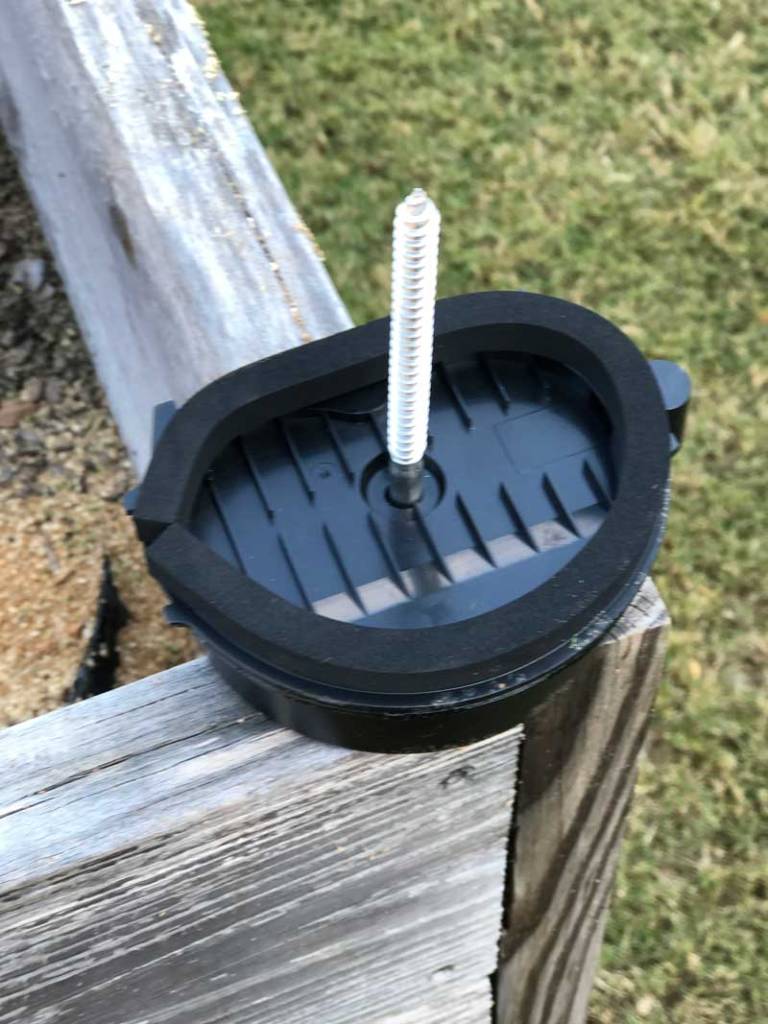
Bonus perk: I requested a copy of the documentation that was submitted with permit application and the city coordinator sent it to me. I had most of the documents already, but I was missing the schematics/plans. Finally some technical questions I had are answered. Yes, I will be getting Tesla Power Gateway 2. Yes, the panels will be equipped with SolarEdge power optimizers. Finally, yes, ZS Comp mounting system will be used to secure the panels to the roof.

Day 70 – permits obtained

Tesla has confirmed that all necessary permits were secured. I also received a prompt to proceed to their website and pick an installation date. Looks like the earliest available slot is on November 5th. Ouch. I was really hoping that it is going to be sooner than that. There is a mention that Tesla will push the schedule ahead if possible, but at this point I’d rather not build up my hopes. As long as it happens this year I am happy (so I can qualify for federal tax incentive). We shall see!
Day 119

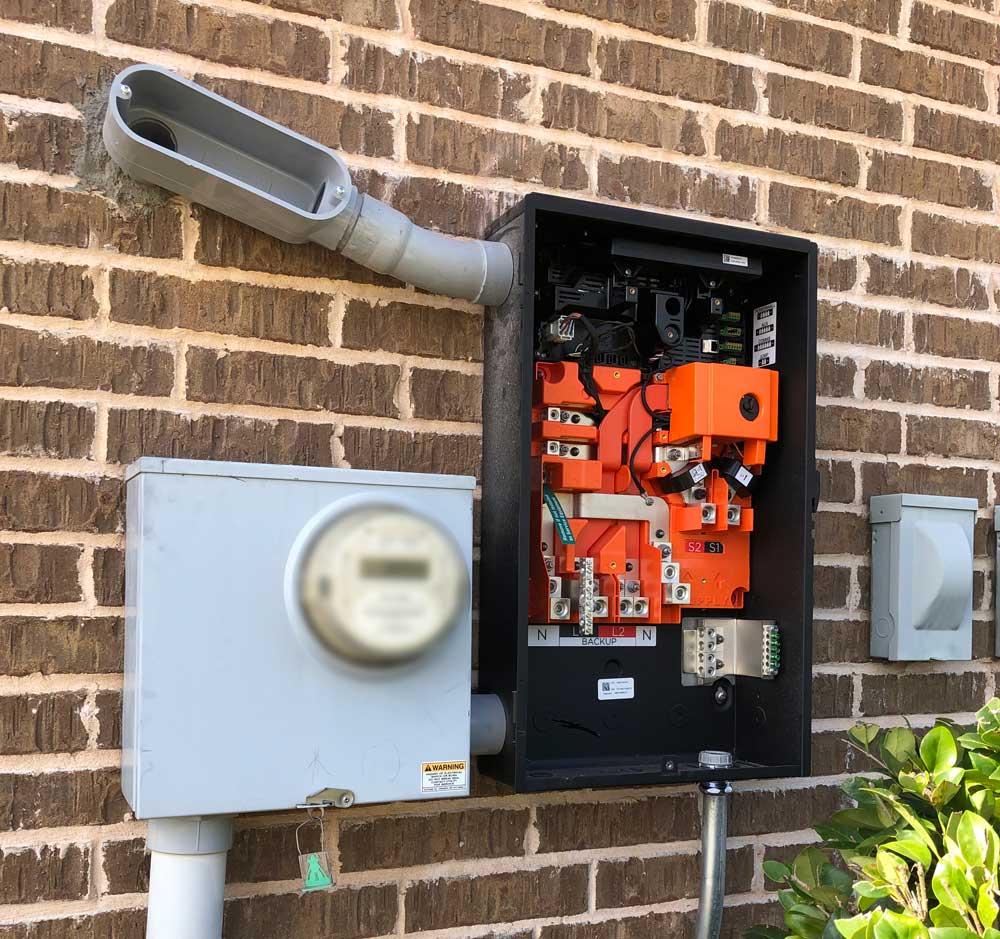
I received a text message from Tesla Energy. They asked me to request a temporary power disconnect/reconnect with my city’s utility company for November 6th. This has to be initiated by homeowner. I take it as a confirmation that we are on schedule!
Day 121 – installation

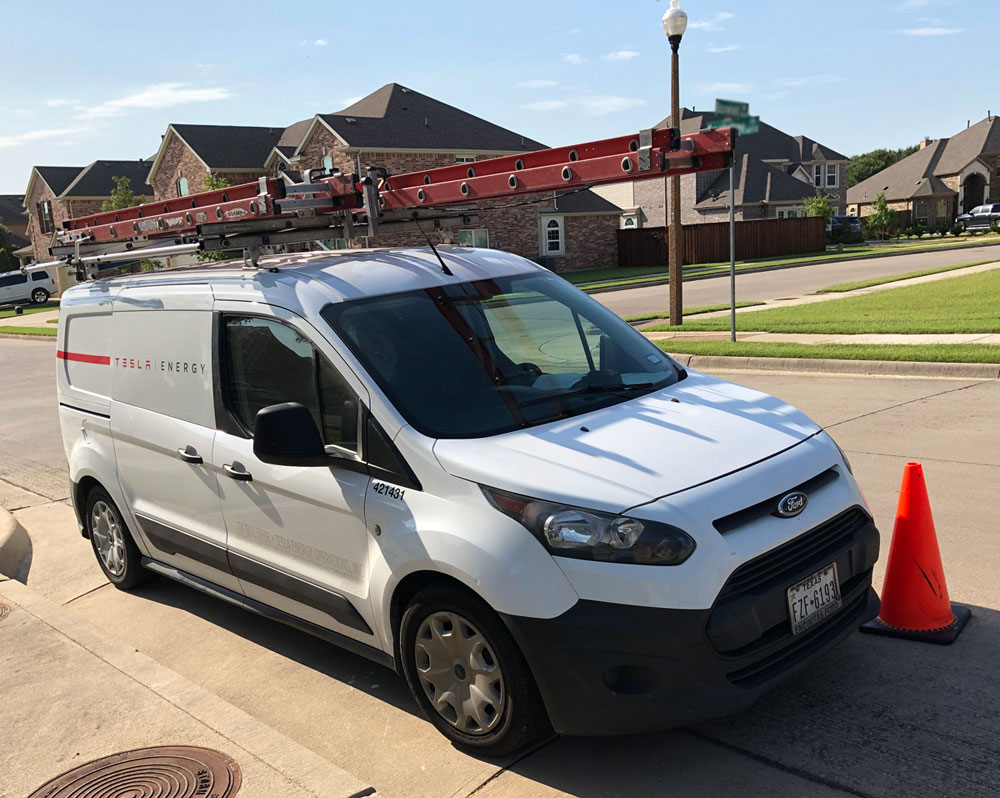
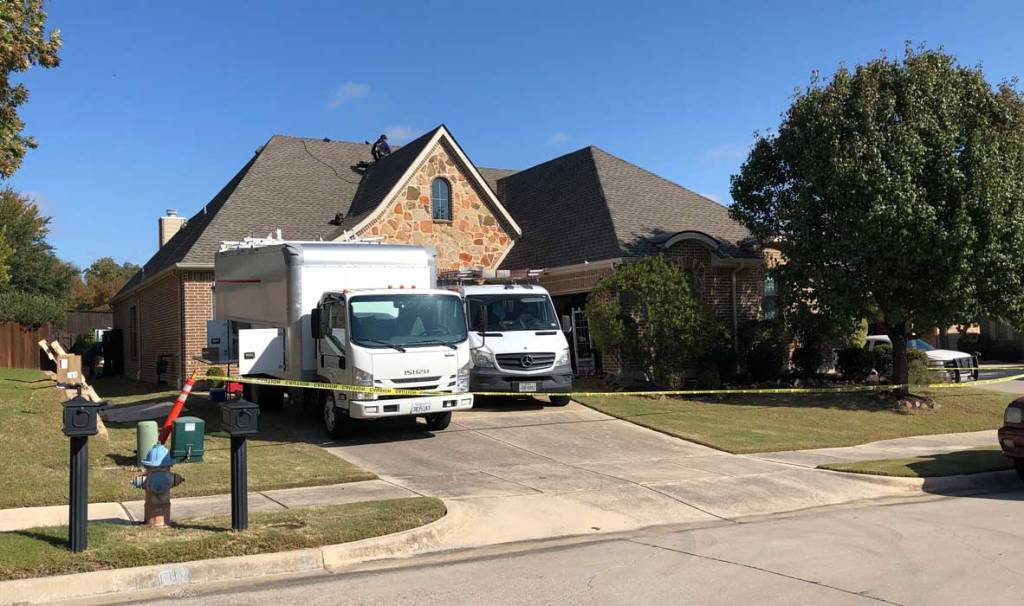
The installation crew has arrived bright and early. Some of the guys were here way before the truck carrying all the equipment came, so they were just hanging out in their cars waiting.

Once the truck arrived, they promptly got to work. While most of the guys were busy unloading the hardware, the lead electrician went over the project layout with me, confirming the final placement of the Powerwalls, Tesla energy gateway (TEG) and SolarEdge inverter. We also discussed the solar panel layout and where potential conduits linking all individual arrays would go. I had some concerns about the roof conduits being visible from the street, but the electrician quickly addressed them by explaining that they will arrange them so that the overall aesthetic impact is kept to a minimum.

Unloading of the solar panels…
…and the Powerwalls!

It is worth mentioning that Tesla is taking the safety of both their workers and any passers-by seriously. They cordoned off the immediate vicinity of the workplace with the tape and also advised me to stay away from the roof edges (unless I wear a hard hat). Good advice! It was hard for me to contain my excitement throughout the installation process, as I had been waiting for it to happen for so long! I did my best to stay out of the way and let the Tesla guys do their job. They will be my judge if I succeeded or not.

Safety first!

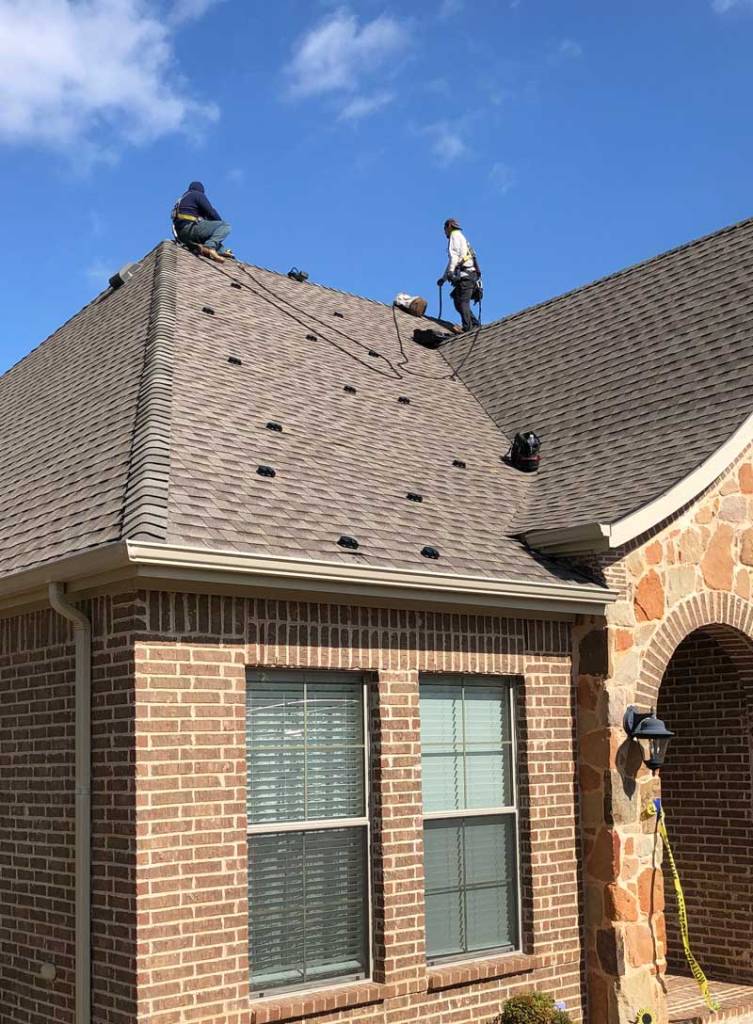
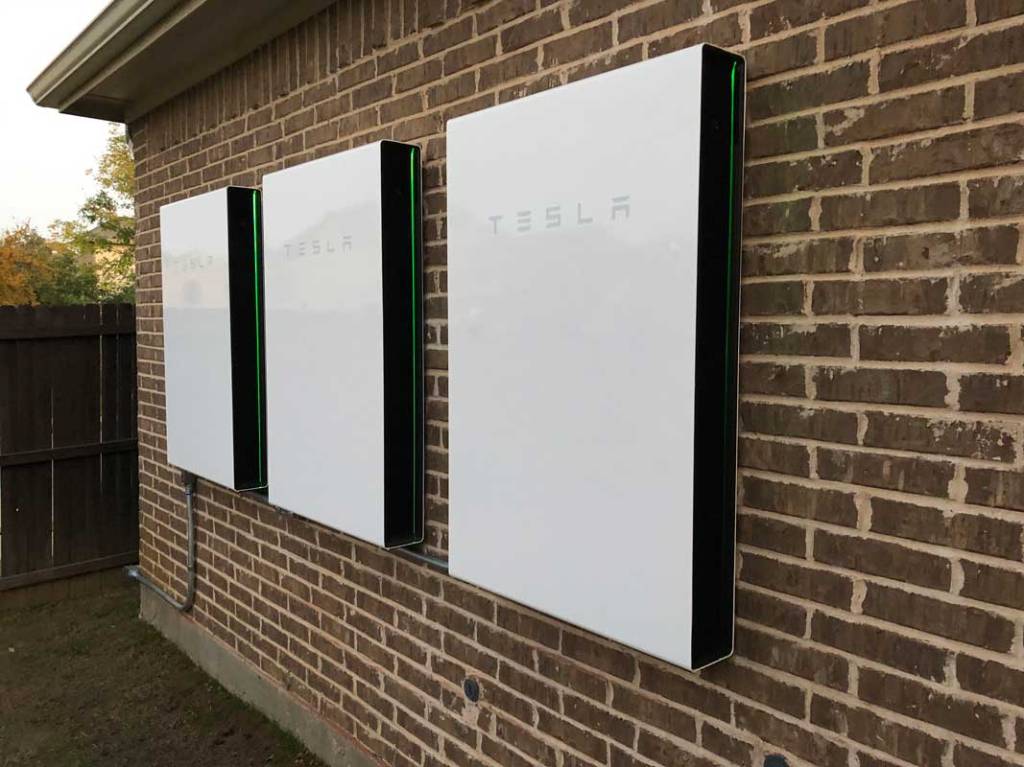
I was particularly stoked about the Powerwalls, so while the others were busy mapping and inserting the solar panel mounts on the roof I was sneaking up on electricians doing the heavy lifting (quite literally, as each Powerwall weights over 200 pounds!).

Tesla crew using a specialized lift to elevate the Powerwalls.

While I was busy pestering these guys, the other crew already made some headways with the solar panels.

First batch of solar panel mounts attached to the roof.
The Q CELLS panels look so slick!

It is worth mentioning that Tesla is using ZS Comp type of mounting hardware. Compared to traditional rails, it has a reduced impact on the roof (less holes). The mounts themselves are cleverly designed with water-proofing in mind. They come with a groove/duct that, once filled with roof caulking, will provide a tight seal around the base, thus preventing water from entering.

By the end of the first day of the installation, the Tesla crew was done with most of the panels, Powerwalls, the energy gateway and connecting conduits.

Tesla Energy Gateway – “the brains” of the system.

Day 122

Again, the guys have arrived early and gotten busy with work. The visual progress of the remaining tasks might not be as obvious as on the first day of the installation, but there was still a lot of tasks to be completed. Not necessarily in the order of complexity or importance, but here’s what kept the crew busy:

  • secure the remaining panels to the roof
  • run the necessary conduits and place the junction boxes interconnecting various parts of the array
  • do all the wiring between Powerwalls, TEG, inverter, main braker panel and solar panels

I also opted in for the installation of the Tesla high power wall chargers (HPWC) at the same time. I had them for a while, but was deliberately delaying the installation My garage doubles as a woodworking shop, so the space is a precious commodity. I wanted to make sure I won’t interfere with any equipment that comes with photovoltaic system. Now was the time.

Signature HPWC – about the only prize I secured before Tesla referral program as we knew it came to an end. No complaints!

Before long, the guys were done with the installation and the only remaining tasks involved setting up the energy gateway, commissioning the inverter and performing initial tests. Things were looking good!

By the end of the installation, the electricians tested the grid disconnection (simulating the power outage) and guided me on how to turn the system on once I receive the PTO (permission to operate) from the utility company.

I must commend the Tesla installation team for their professionalism and thoroughness. Everything turned out top notch. Before they left, they ensured to collect any piece of debris to leave the place in a clean state. I am very impressed and thankful!

What a sight!

Day 126 – inspection (fail!)

The installation was completed on Friday. Right before the crew left my place, I received a call from Tesla informing me that the inspection is scheduled for the following Monday. That was quick!

On Monday morning, both the inspector from the utility company and a Tesla representative showed up at my house. The inspection process was rather quick. Unfortunately, we didn’t get a “pass”. There were couple of minor issues that the inspector wanted to be addressed before he could approve the setup.

Day 127 – inspection (pass!)

All the issues were addressed by Tesla and the inspector was happy with the outcome when he visited the following day. We passed this time round.

Day 132 – almost there

The closer it gets, the more impatient we get. I was going back and forth between the utility and Tesla to figure out how long it is going to take before I receive the PTO. It came to a stalemate of sorts. The utility company required the system to be fully operational and producing the energy, so they can conduct the anti-islanding test. Here’s the catch: Tesla will not allow you to turn the system on before you receive the permission to operate. Neither side would give me the go ahead at first, citing potential liability. Both parties aligned at the end and I was allowed to turn the system on for necessary testing. Progress at last.

Day 141 – we are live!

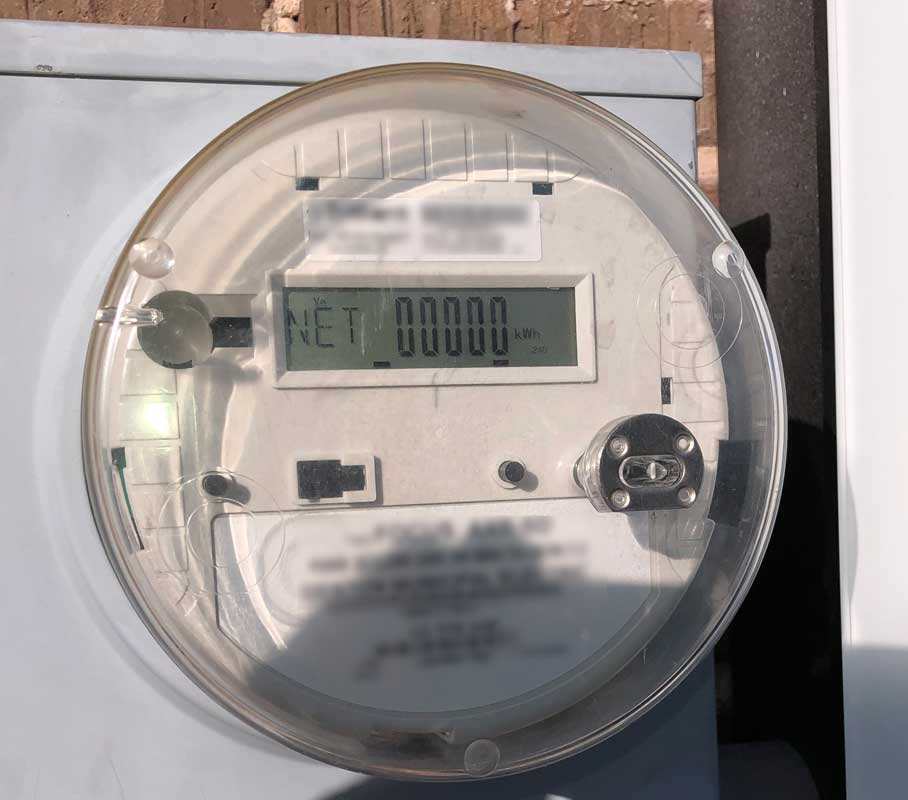
I was surprised by the doorbell ring this morning. It was an electrician from the utility company coming to swap the existing meter for the one compatible with photovoltaic system. Hell, yeah!

New electric meter in place.

Shortly after, I received an email from the utility company with the attachment I was waiting for: Permission To Operate! Double “hell, yeah!”

After a long 5 months we are finally generating our own electricity!

We are live!

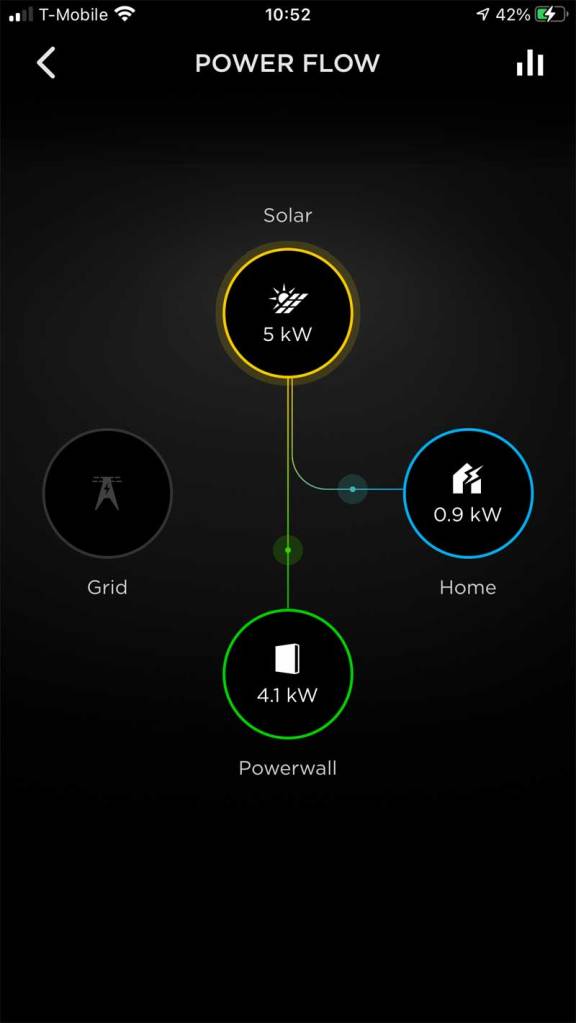
It was a journey full of twists and turns – some anticipated based on my prior research, others came as a surprise. At the end, the joy of being self-sufficient and powered by renewable energy far outweighs any shortcomings we encountered along the way. As a geek, I have a new hobby: staring at the Tesla app showing the flow of energy. Hope it is curable 🙂

It is a brand new experience for me to be self-powered. I will be reporting on the findings soon. If you managed to stick around all the way to the end, thanks for your patience. Hope you find this article helpful. Feel free to reach out if you have any additional question. Thank you.

The death of MCU (Marvel Cinematic Universe?)

If you have owned a Tesla Model S or X for a while, you have probably heard about the dreaded issue of the MCU failure that is bound to happen after a certain number of write cycles committed to the on-board eMMC module. Typically, this affects older vehicles or ones with high mileage on them. I was surprised then that my car was starting to exhibit the symptoms that eventually led to complete MCU (main computer unit) failure. It was only 2+ years old and I barely crossed the 50,000 miles mark few months earlier.

It started with me not being able to connect to the vehicle using the mobile app. I contacted Tesla’s support online and we performed all the steps suggested by the associate, to no avail. The steps included:

  • complete restart of the MCU (with the brake pedal pressed),
  • powering off the vehicle and leaving it off for few minutes,
  • reinstalling Tesla app on the phone,
  • un-pairing the phone from the car and re-pairing it,
  • trying to install the app on the other phone.

None of the above fixed the issue, but I was not too concerned. I had an upcoming appointment with the Tesla Service Center for some unrelated concerns, so I just added this issue to the list of things to be addressed (this was also concluded and suggested by the online support).

As the date of my appointment was drawing near, I hadn’t observed any major issues with the MCU, other than the fact that it stopped displaying cover images for the music on my USB stick. Ironically, on the day of my appointment, the main screen went completely blank and the car took a minute to power on when I was leaving for work in the morning. The screen stayed blank though (yes, I tried to reboot it again, in case one wonders). The IC (instrument cluster) was working, so at least I had some visibility into the vehicle’s status. The A/C was running as well, so it didn’t seem like a big deal. For now.
Unfortunately, it was one of those rare days in Texas where the weather was very humid, misty and it started to drizzle. There was still fog on the ground when I was leaving and my windows were starting to fog up as well. Without access to advanced climate controls (which includes the sunroof – you are unable to control it with the scroll wheel when MCU is down!) it was quickly getting worse, so much so that I decided to get back home and drive to work using my wife’s car instead. My appointment with Service Center was not until later in the afternoon, so I knew the weather should clear up by then and I would be able to get there even if A/C would fail completely. In the worst case I could still roll the windows down :).

Not being able to control the sunroof or temperature settings using the scroll wheel was probably the biggest surprise, but here are some other things that I discovered:

  • no sound – not just the music playback, but no feedback from turn indicators, navigation or proximity sensors around the car when parking,
  • the energy efficiency information was not updating (the chart was gone, too),
  • the odometer stopped refreshing the mileage while driving,
  • TPMS information was not available,
  • the outside temperature was not showing either.

Overall, the MCU plays a more vital role than many realize. It is not just the entertainment console, but it controls many of the vehicle features. Luckily, I have purchased the Extended Service Agreement, so the parts have been replaced free of charge (minus the standard $200 deductible for each service visit while under ESA), but I was still baffled as to why it failed at the first place. The only reasonable explanation I could come out with is that my original MCU was already replaced once as a goodwill gesture due to screen discoloration. That was before the UV treatment was available. It must have been a refurbished unit (so was the one I received this time).

It is worth mentioning that if this happens under warranty, Tesla will replace the MCU for free and the replacement comes with 4-year warranty. If you are out of warranty, this can be an expensive proposition.

BlackVue dash cam installation on Model S – an update (video)

I have (finally!) put together the video describing the process of installing the dash camera on Tesla Model S. I know that there are plenty of how-to videos on the Internet on the very subject, but this one is rather unique: I have done all of it in a 3D modeling software.

The original write up can still be found here, but this should provide even more complete step-by-step procedure. Hope you enjoy it!

A Year of Tesla

It’s hard to believe that 2018 is coming to its end, as it surely feels as if it barely started. The end of the year is usually a time of reflection: on tasks we accomplished, on things that happened in our family or in the world surrounding us, on stuff we would have, could have or should have done, on getting older (I certainly am reflecting on the last one!).

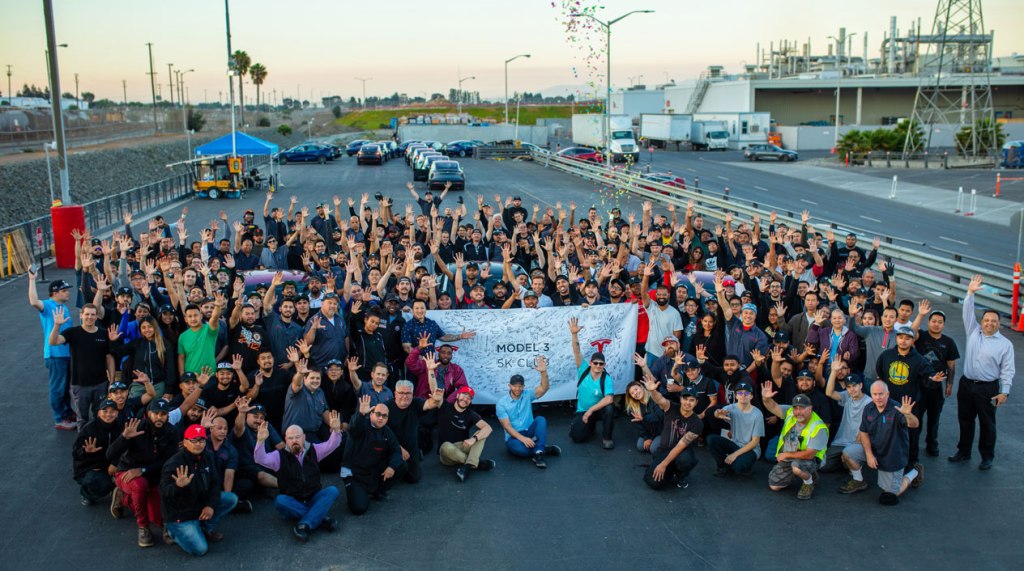
The passing year was certainly full of exciting news related to electric vehicles, but the one company that deserves special credit is Tesla. What a ride it has been! In early February, Elon Musk’s personal Roadster had been launched into space with the help of SpaceX’s Falcon Heavy rocket, a nice distraction from the flood of negative press surrounding the Model 3 production ramp up – despite its best efforts Tesla managed to produce less than 10,000 units in the whole first quarter of 2018 and had to adjust its production estimates numerous times to provide at least some answer to both investors and folks eagerly anticipating delivery of their dream car. To say “all hands on deck” would be an understatement, as the company was pulling all strings to boost the production output. In an act of both brilliance and desperation a gigantic “tent” was erected outside of Fremont factory building. All in order to get closer to the promised 5,000 units per week.

Celebrating a production milestone of 5,000 units of Model 3 per week. Photo credit and copyright by Tesla, Inc.

Elon has freely admitted that one of the reasons of the struggle was excessive faith in automation when dealing with tasks that human are just better at, even calling it ironically foolish. It was a hard lesson to learn, but yet another hurdle that Tesla’s team managed to overcome thanks to its dedication and ability to think outside of the box.

In July, Tesla had delivered its 200,000th vehicle, thus triggering a gradual expiration of federal tax credit. It also signed an agreement with China to start manufacturing cars there, essentially laying foundation for the Gigafactory 3 that, once constructed, will definitely ease the burden of keeping up with the demand for Model 3. It will also help to produce future Tesla models.

By August, Tesla Model 3 became the #1 best selling car in United States by revenue. It was also reported that Tesla was crushing its competition in terms of sales.

By then the situation surrounding the Model 3 was much better and Tesla
not only reported a steady increase in production output, but it also reported profit, first in a long time. All this while steadily increasing the battery production rate at the Gigafactory and shortening the time required to assemble the battery packs. It only gets better from there. The Model 3 has been awarded a top safety rating from NHTSA. Tesla later published on its blog that it also achieved lowest probability of injury of any vehicles ever tested by the very same institute.

Towards the end of the third quarter, Tesla has introduced the Mid Range Model 3, priced at $45,000 and being available for delivery within 2-4 weeks from the date of purchase.

Model 3 production numbers per quarter in 2018. Data source: Tesla, Bloomberg. Q4 estimates by Bloomberg.

According to Bloomberg’s Tesla Model 3 Tracker, we should see about 60,000 units manufactured in the last quarter, putting it on track to a sustainable 5,000 units per week. In the meantime, Tesla has finally opened up Model 3 ordering for reservation holders in Europe. All that mad dash effort is finally paying off!

Speaking of mad dash, one should not forget about Model 3 Performance with Track Mode. It already proves to be a force to be reckoned with and a competitor deserving a respect.

Despite all the negative press Tesla has received throughout the year (as reported here, here and here), the company keeps proving every skeptic out there wrong, staying on-course to achieve the mission of providing sustainable transport of the future. Such an achievement is only possible with help of extraordinary team of dedicated workers, willing to pull up the sleeves and work additional hours to make things happen. It requires an extraordinary management team as well, able to think outside of the box and apply unconventional methods as needed in order to accomplish the goals. Having a visionary such as Elon Musk at its helm helps too, of course.

As a long-time fan of Tesla and proud owner of one of its vehicles I am happy to witness the realization of the dream – a mass-produced car at affordable price, helping to convert people to electric vehicles, one person at a time. I’m smiling whenever I see another Model 3 on the road. It has been such a long journey for Tesla and everyone working for the company deserves the credit.

Since 2019 is has already started for some and is about to kick off for the rest in just a few hours, here are some of my wishes for Tesla and for everyone:

  • Get past the “production hell”, so Tesla can focus on sustainability of the company rather than constant firefighting. Enough of the stress.
  • Make the base ($35,000) Model 3 a reality. It cannot come soon enough.
  • Show off Model Y and the pickup truck at last – I’ll be hard-torn choosing between the two anyway!
  • Get the Semi on the road. It will change the trucking industry as we know it.

Happy New Year, all!

It’s happening!

While Tesla is selling Model 3 faster than it can manufacture it, the current Long Range variant might still be out of financial reach for those patiently waiting for the more affordable, $35,000 variant promised to be available sometime next year. If you are one of those people or were on the fence whether you should wait a bit longer or sell your wife and kids in order to afford one, Tesla just dropped a bombshell that might help you to make that decision sooner (sans turning the loved ones’ lives upside-down)!

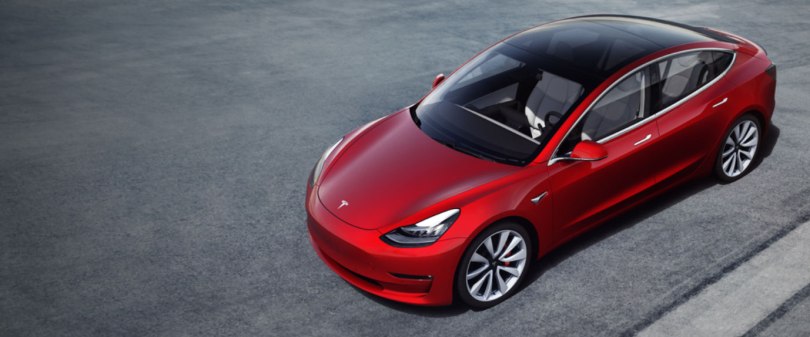
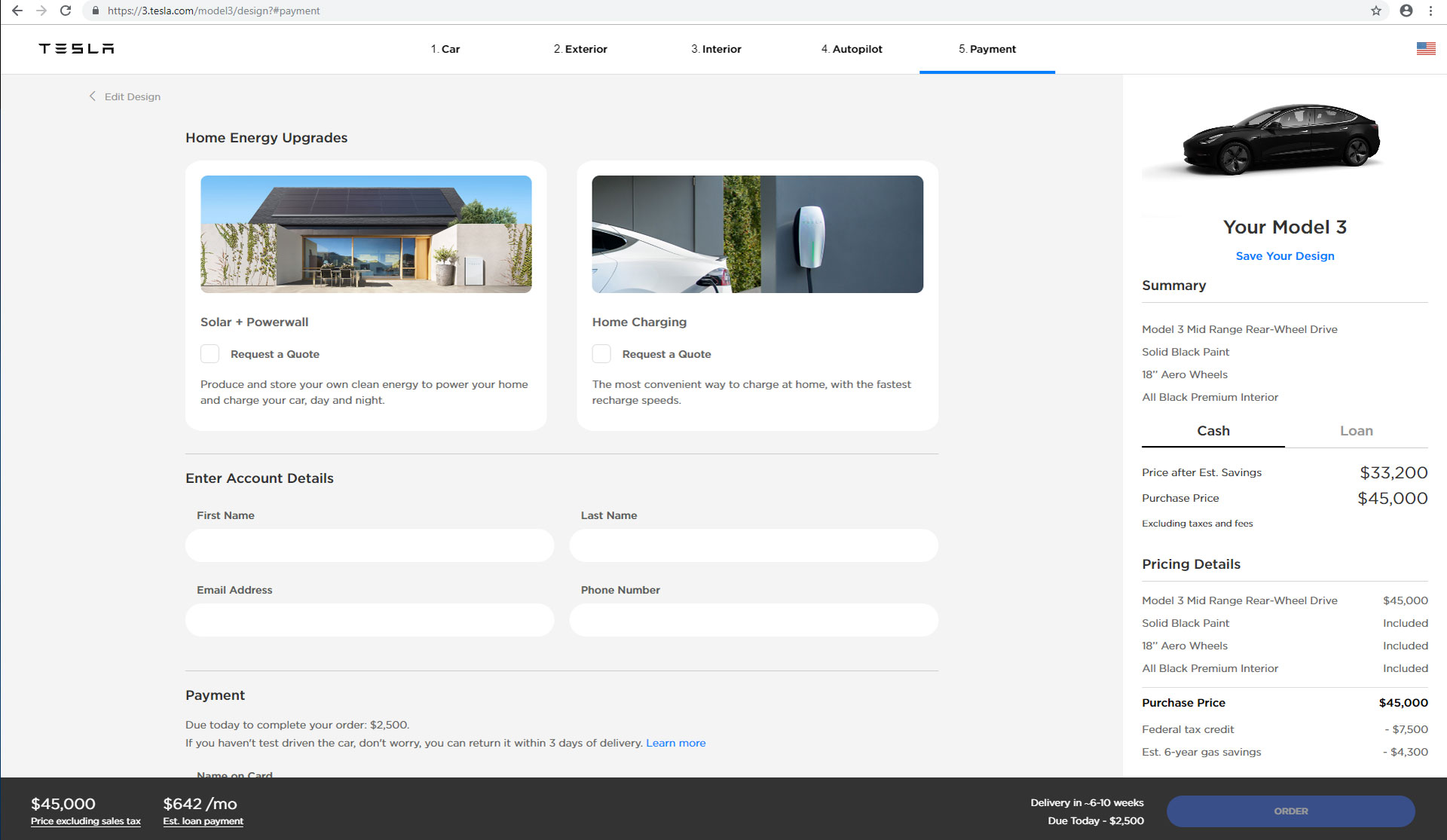
As of today, you can order a Mid Range version, with a battery allowing 260 miles of travel on a single charge:

Model3_mid_range

The base version (solid black paint, 18″ wheels with aero covers, premium interior) will cost $45,000 before the tax incentive. If you order before the end of the year, you will be eligible for a full, $7,500 credit, making it essentially a $37,500 car!

Model3_mid_range_summary

The price will not include the Enhanced Autopilot package ($5,000 extra during purchase or $6,000 after delivery), but if you can live without it, it comes closer to the magic 35k figure.

I would say this is big news that deserves to be spread around! 260 miles is plenty of range, even for road trips. Our recent trip to California was accomplished in a Model S that comes with about 240 miles on a full charge, so I speak from experience. Rear-wheel drive is not an issue either, as Tesla offers excellent traction control that will easily surpass a gasoline powered car. Here‘s my recent encounter that can testify to it.

This should further inspire the confidence that despite all the recent negative press that Tesla does not deserve, the company is well on track to continue its mission and delivering on important milestones. If you are ready to support a sustainable future and be a part of this mission, hope this newly introduces configuration will help you to make that decision sooner.

California, here we come! (Road trip 2018 – epilogue)

So there we have it: 18-days-long road trip has officially come to an end. We traveled almost 5,000 miles in an electric vehicle, completely worry-free. Zero emissions and zero range anxiety. While every road trip we took was special on its own and provided its share of unforgettable memories, this one was truly epic. I repeat that word quite often when describing our recent journey, because there’s no better way to describe it. Not because it was the longest one so far (both time- and distance-wise), that is an achievement on its own. I think the expectations were high from the get-go, as we would be traveling to some of the most popular destinations that United States has to offer. Yet, every single landmark or attraction on our list proven to be worth it. As always, there were hidden jewels and unexpected surprises (Death Valley and Sedona quickly come to mind, but there were plenty more) which made the trip even better than expected.

When our daughter was little we had the freedom to plan our travels in the off-peak season, allowing us to beat the crowds. Now that we are bound by school year schedule as everyone else, I was worried that it might throw a kink into our carefully planned itinerary. Luckily, none of these fears were justified and we had an absolute blast.

Weather is always a factor and yet again, we were blessed with absolutely gorgeous forecast. We normally don’t worry much about the weather on our trips (watching for extremes, of course), but I’d never say no to sunny or partly cloudy skies with moderate temperatures :).

Last but not least, here’s a reference to all individual blog entries documenting each day of the trip:

Day 1: Denton, TX – Tucumcari, NM

California, here we come! (Road trip 2018 – part 1)

Day 2: Tucumcari, NM – Flagstaff, AZ

California, here we come! (Road trip 2018 – part 2)

Day 3: Flagstaff, AZ – Twentynine Palms, CA

California, here we come! (Road trip 2018 – part 2)

Day 4: Twentynine Palms, CA – Carlsbad, CA

California, here we come! (Road trip 2018 – part 3)

Day 5: Carlsbad, CA (Legoland) – Los Angeles (Getty Museum), CA – Anaheim, CA

California, here we come! (Road trip 2018 – part 4)

Day 6: Disneyland California Adventure Park, Anaheim, CA

California, here we come! (Road trip 2018 – part 5)

Day 7: Disneyland Park, Anaheim, CA

California, here we come! (Road trip 2018 – part 5)

Day 8: Anaheim, CA – Huntington Beach, CA – Pacific Coast Highway – Lompoc, CA

California, here we come! (Road trip 2018 – part 6)

Day 9: Lompoc, CA – San Simeon, CA

California, here we come! (Road trip 2018 – part 7)

Day 10: San Simeon, CA – Big Sur, CA – Seaside, CA

California, here we come! (Road trip 2018 – part 7)

Day 11: Seaside, CA – Fremont, CA

California, here we come! (Road trip 2018 – part 8)

Day 12: Fremont, CA – Muir Woods National Monument, CA – San Francisco, CA

California, here we come! (Road trip 2018 – part 9)

Tour de Tesla

Day 13: San Francisco, CA

California, here we come! (Road trip 2018 – part 9)

Day 14: San Francisco, CA – Yosemite National Park – Manzanar – Lone Pine, CA

California, here we come! (Road trip 2018 – part 10)

Day 15: Lone Pine, CA – Death Valley – Hoover Dam – Las Vegas, NV

California, here we come! (Road trip 2018 – part 11)

Day 16: Las Vegas, NV – Seligman, AZ – Williams, AZ – Sedona, AZ

California, here we come! (Road trip 2018 – part 12)

Day 17: Sedona, AZ – Winslow, AZ (Meteor Crater) – Santa Rosa, NM

California, here we come! (Road trip 2018 – part 12)

Day 18: Santa Rosa, NM – Denton, TX

California, here we come! (Road trip 2018 – part 12)

If you have any questions, feel free to drop me a note or a comment and I will be glad to respond. Thanks for checking in!